
Learning Center
What Color Glasses Should I Get? A Simple Guide for Skin Tone, Hair Color, and Eye Color


These suggestions are not fixed rules. They are a starting point for comparing colors. Personal style, frame shape, makeup, hair color, and clothing can all change how a frame color looks on your face.
For an easy everyday pair, neutral glasses colors usually work well. For a stronger fashion statement, bolder shades can add personality without needing a complicated outfit.
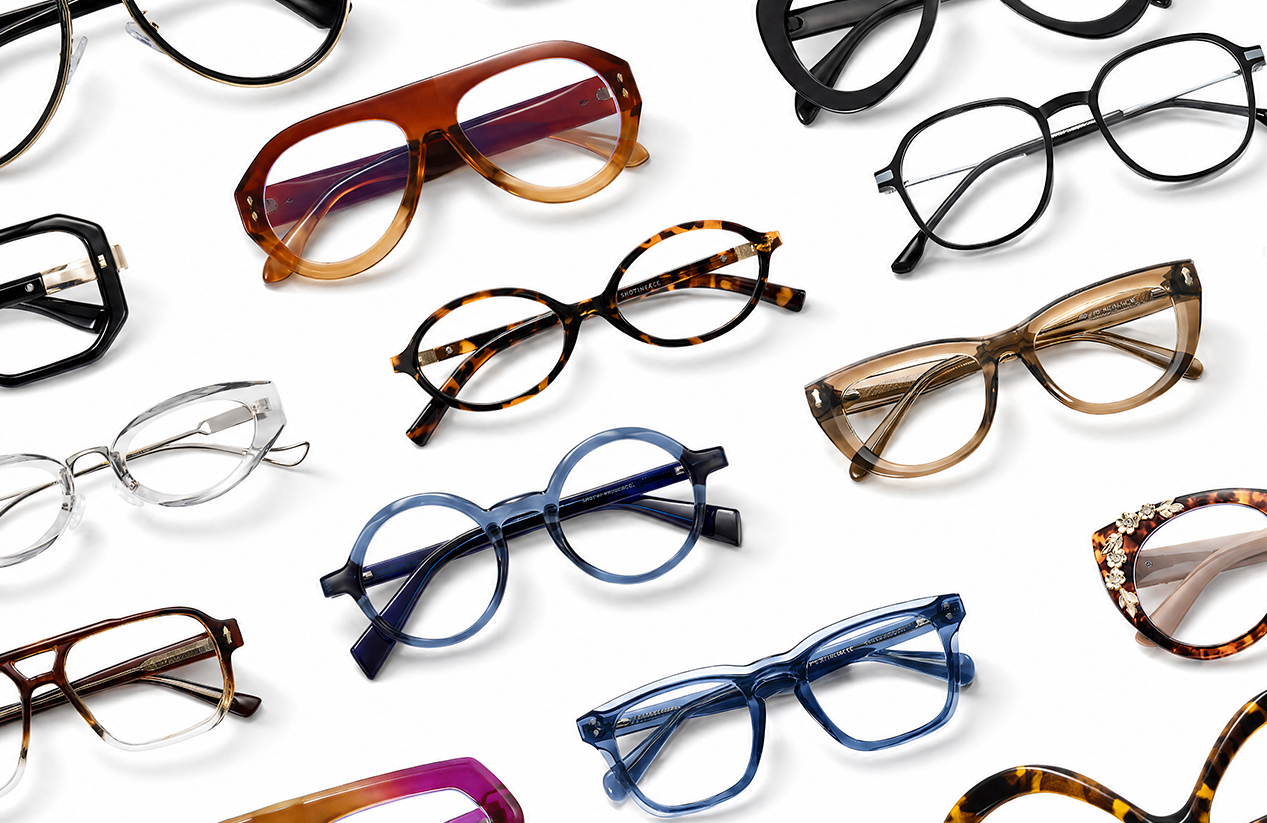
How to Pick Glasses Color for Your Hair Color
Hair color sits close to your glasses, so it can change how the frame color appears. A frame color can blend with your hair, contrast with it, or highlight certain tones.
For dark hair, black frames can look sharp and classic. Brown, tortoise shell, navy, dark green, and burgundy can also add depth without feeling too loud.
For blonde hair, clear, champagne, soft brown, rose, light tortoise, and gold frames can feel bright and easy. Dark frames can also work well when you want more contrast.
For red or auburn hair, warm brown, gold, green, tortoise shell, and deep blue frames can look rich and balanced. These colors can bring out the warmth in the hair without making the look feel too busy.
For gray or silver hair, black, clear, silver, navy, purple, and cool-toned frames can look clean and stylish. Clear glasses frames can feel modern, while dark frames can add strong definition.
Here is a quick way to think about hair and frame color:
Match similar tones for a softer look.
Use contrast for a bolder look.
Try translucent frames when you want color without heaviness.
Try tortoise shell glasses when you want warmth and pattern.
Try black glasses frames when you want stronger definition.
Hair color is only one part of the decision. The best glasses color should still feel right with your skin tone, eye color, and normal outfits.
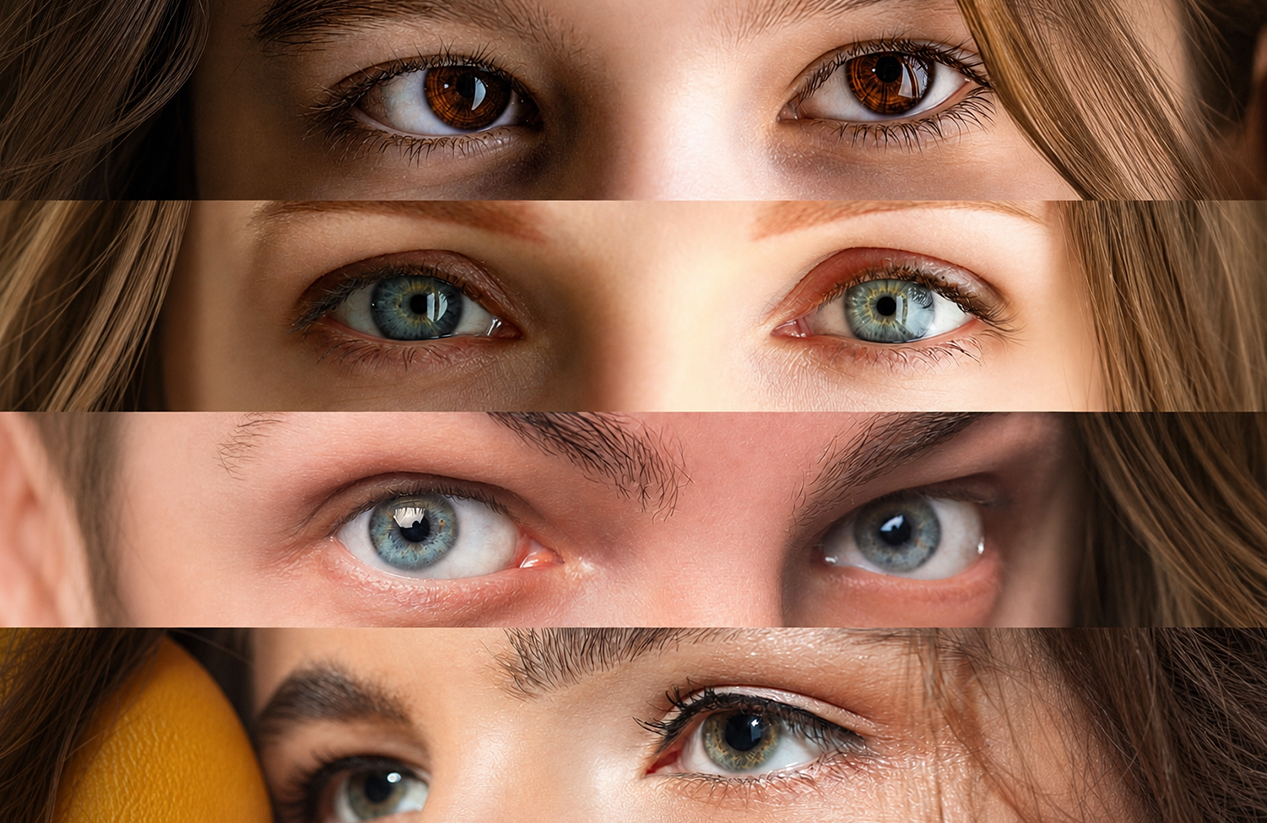
How to Pick Glasses Color for Your Eye Color
Eye color can help you select frames that either blend in or make your eyes stand out. The goal is not to match your eyes perfectly. Often, a frame that adds contrast looks more interesting.
Brown eyes are flexible and can work with many glasses colors. Black, tortoise shell, gold, green, burgundy, and clear frames can all create different effects. Dark frames add definition, while warm frames create a softer look.
Blue eyes often pair well with gray, silver, navy, soft brown, clear, and light tortoise frames. Warm brown or amber tones can create contrast, while blue or gray frames can feel more subtle.
Green or hazel eyes can look good with brown, gold, olive, purple, burgundy, and tortoise shell glasses. These colors can bring out the green, gold, or brown tones in the eyes.
Gray eyes can work well with black, silver, clear, blue, purple, and smoky transparent frames. These colors can keep the look cool and polished.
Eye color should not limit your choices. It simply gives you another way to compare colored glasses frames before buying online.
How to Match Glasses Color with Everyday Outfits
Your glasses do not need to match every outfit. They only need to work with the colors you wear most often.
Look at your closet. If you wear a lot of black, white, gray, navy, or denim, almost any frame color can work. Black, clear, tortoise shell, silver, and bold colors all have room to stand out.
If you wear warm colors such as cream, brown, olive, rust, beige, or camel, try brown, tortoise shell, gold, olive, warm clear, or honey-colored frames.
If you wear cool colors such as blue, gray, black, white, lavender, or icy pink, try black, silver, gray, navy, clear, purple, or blue-toned frames.
For a simple daily rule, let your glasses do one of three things:
Blend in: Choose a color close to your hair, skin tone, or usual outfits.
Add contrast: Choose a darker, lighter, or cooler color than your natural coloring.
Create a focal point: Choose a bold frame color that becomes part of your style.
People who want one main pair often do well with neutral or softly colored glasses. People who enjoy changing outfits and accessories may enjoy bolder frames or more than one color option.

What to Check Before Buying Colored Glasses Frames Online
Buying colored glasses frames online is easier when you compare color, size, and daily use together. A frame color may look great in photos, but it should also fit your face and prescription needs.
Before placing an order, check:
Frame color: Decide whether you want neutral, soft, bold, clear, or patterned frames.
Skin tone: Compare warm, cool, or neutral colors against your complexion.
Hair color: Think about whether you want the frame to blend or contrast.
Eye color: Use frame color to soften, brighten, or define your eyes.
Frame material: The same color can look different depending on the frame material. Matte finishes often appear softer, while glossy acetate frames usually look richer and more vibrant.
Frame shape: Color can feel different on round, square, cat eye, oval, or rectangle frames.
Frame size: Larger frames show more color, while smaller frames feel more subtle.
Lens type: Prescription, non-prescription, blue light, reading, or sunglasses lenses may affect your final order.
Daily outfits: Choose a color you can imagine wearing several times a week.
Virtual try-on: Use it when available to compare how different colors look on your face.
Virtual try-on is an online tool that lets you preview frames on your face using a photo or camera view. It can be helpful for comparing clear, dark, bright, and patterned frames before buying.
Color is personal, but the final choice should still feel practical. A pair you enjoy wearing often is usually better than a color that only works with one outfit.

Make Your Glasses Color Feel Natural Every Day
The best glasses color should make daily dressing easier, not harder. Use your skin tone, hair color, eye color, favorite outfits, and frame shape to narrow the options. Try neutral shades for flexibility, clear frames for softness, tortoise shell for warmth, or bold colors for personality. Pick the color that feels natural when you see yourself wearing it often.
FAQs
Q1. What Color Glasses Should I Get for Everyday Wear?
For everyday wear, neutral colors are usually the easiest place to start. Black, brown, clear, gray, gold, and tortoise shell glasses can match many outfits. A soft transparent color can also work well if you want something light but not plain.
Q2. What Color Glasses Make Your Face Look Brighter?
Clear, rose, champagne, soft gold, light tortoise, and warm translucent frames can help brighten the face for many people. Dark frames can also make your features look more defined by adding contrast. The best effect depends on your skin tone, hair color, and usual clothing colors.
Q3. Should Glasses Match Your Hair or Your Eyes?
They do not have to match exactly. Matching your hair can create a softer look, while choosing contrast can make your glasses stand out more. Eye color can be a helpful clue, but your personal style should guide the final choice.
Q4. Are Clear Glasses Frames a Good Color Choice?
Yes, clear glasses frames can be a good choice for a soft, modern look. They are easy to pair with many outfits and usually feel less heavy than dark frames. Clear frames can also be useful if you want glasses that feel stylish but not too bold.

