
Readers Guides
Glasses Frame Size Guide: How to Measure and Read Frame Numbers Before Buying Online


What Do Frame Size Numbers Mean on Glasses? A Practical Guide for Online Buyers
A frame can look perfect online and still feel wrong once it arrives. That is why a practical glasses frame size guide matters before you order. Frame size numbers help you compare new glasses with a pair that already fits well. Once you know how to read and measure them, online glasses shopping becomes easier, faster, and more accurate.
Quick Answer
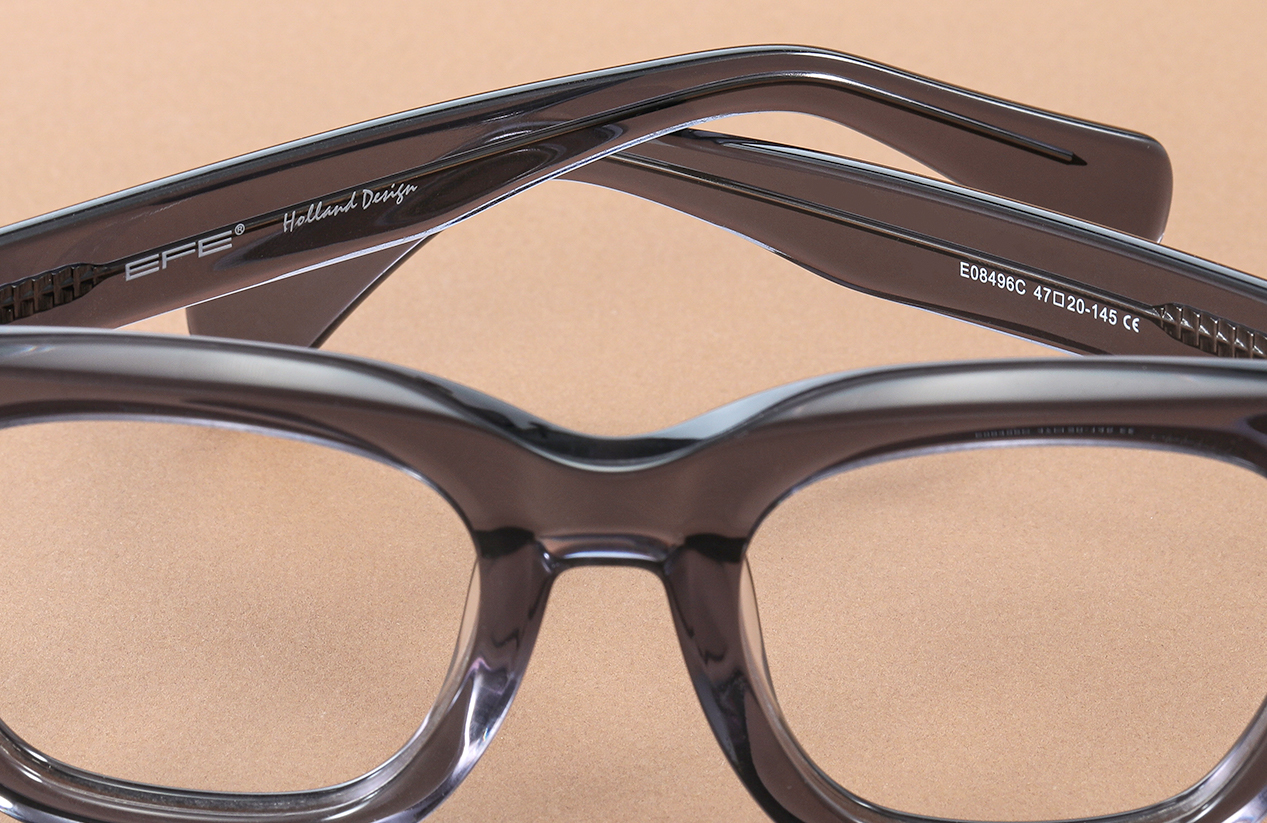
To measure glasses frame size, first check the numbers printed inside the temple arm or bridge of your current glasses. They usually show lens width, bridge width, and temple length in millimeters. If the numbers are missing, measure a pair that already fits well, then compare lens width, bridge width, temple length, and total frame width with the new frame before buying glasses online.
Where to Find Your Glasses Frame Size
Most glasses have small numbers printed on the inside of the temple arm. The temple arm is the side piece that rests behind your ear. Some frames may also print the numbers on the bridge, which is the part that sits over your nose.
A common frame size may look like this:
52-18-140
These numbers are usually measured in millimeters, or mm. A millimeter is a small unit of length used for eyeglass measurements.
If the numbers are faded, hard to read, or missing, do not worry. You can still measure glasses frame size at home with a ruler.
Before measuring, clean the frame and place it on a flat surface. Use a ruler with millimeter marks if possible. Inches are less useful here because most online glasses measurements use millimeters.
How to Read Glasses Frame Size Numbers
Frame size numbers usually follow a three-number pattern. These numbers help you compare one frame with another, especially when shopping online.
The table below gives a simple way to read glasses frame size numbers.
Number Order | What It Usually Means | What It Affects |
|---|---|---|
First Number | Lens width | How wide each lens is |
Second Number | Bridge width | How the frame sits on your nose |
Third Number | Temple length | How the arms fit behind your ears |
For example, a frame marked 52-18-140 usually means:
The lens width is 52 mm.
The bridge width is 18 mm.
The temple length is 140 mm.
These three numbers are helpful, but they do not show everything. Total frame width, lens height, frame shape, and nose fit can also affect comfort.
Use the numbers as a starting point. Then compare the full product measurements before placing an order.
How to Measure Glasses Frame Size at Home
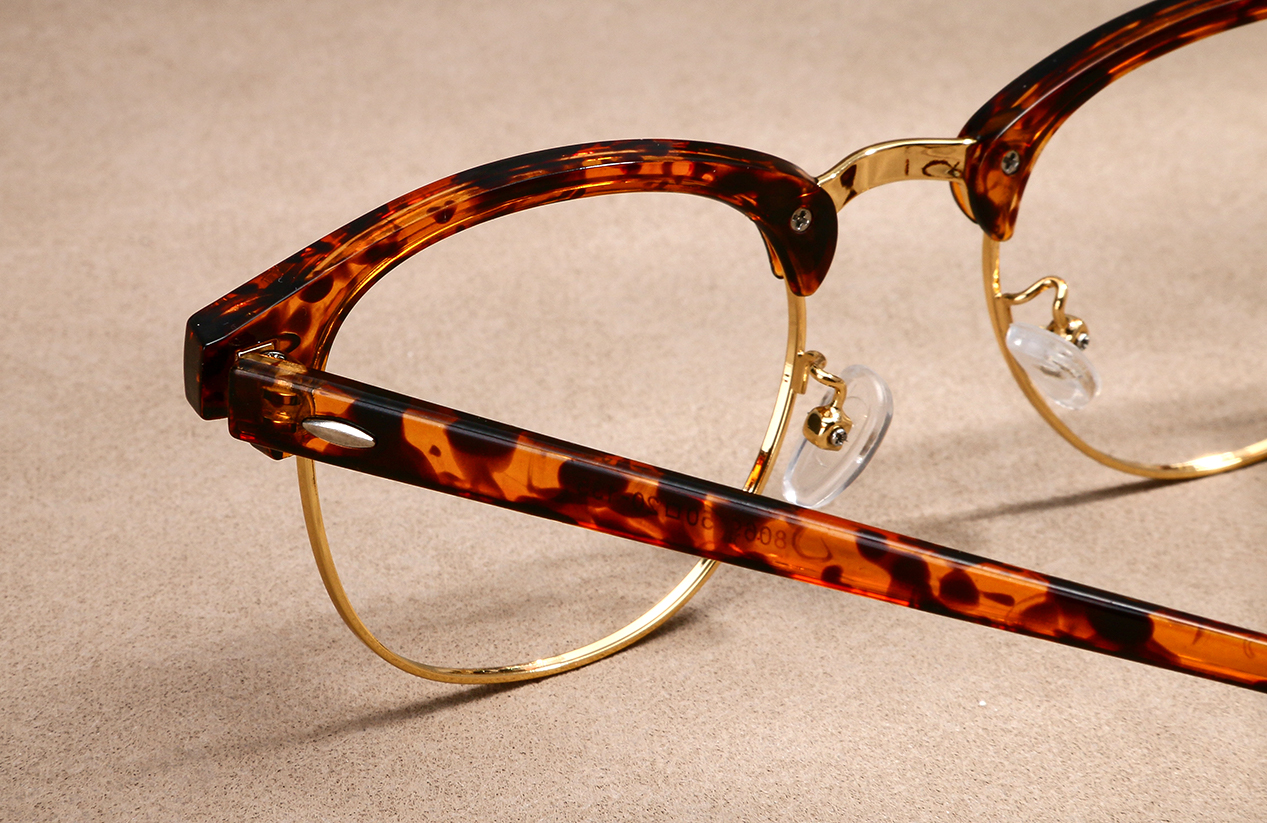
If the printed numbers are missing, you can measure your current glasses by hand. The best frame to measure is a pair that already fits comfortably.
Use a ruler with millimeter marks and place the glasses on a flat surface. Measure slowly and write each number down.
Here is how to measure frame size for glasses at home:
Lens width: Measure across one lens at its widest point.
Bridge width: Measure the space between the two lenses above the nose area.
Temple length: Measure from the hinge to the end of the temple arm.
Lens height: Measure from the top to the bottom of one lens.
Total frame width: Measure across the full front of the frame from one outer edge to the other.
Total frame width is especially useful because it shows how wide the frame may look on your face. Two frames can have similar lens width but still feel different if the shape or outer width changes.
Do not measure only the lens width and assume the whole frame will fit. A frame also needs to match your nose, face width, and how the temples sit behind your ears.

How to Determine Glasses Frame Size Without Old Glasses
No old glasses? You can still narrow your frame size by using face shape, face width, and fit preference.
Start with your face width. If your face is narrow, very wide frames may sit too far outside your face. If your face is wider, narrow frames may feel tight or look too small. The best frame should feel balanced from temple to temple.
Next, think about nose fit. If frames often slide down your nose, look more carefully at bridge style and nose area. If frames usually leave deep marks, the bridge may be too tight or the frame may sit with too much pressure.
You can also use your past fit problems as clues:
Glasses slide down often: Check bridge fit and frame weight.
Temples press your head: Look at total frame width.
Lenses look too large: Compare lens width and lens height.
Glasses tilt when you move: Check frame balance and temple fit.
Eyelashes touch the lenses: Check lens shape and frame position.
Frame style matters too. Oversized frames may feel bold and stylish, but they can also sit differently from smaller frames. If you have a stronger prescription, a moderate frame size may help the lenses look cleaner and feel lighter.
How to Compare Your Current Glasses with New Frames
Your current glasses are the easiest reference point if they fit well. You do not need the exact same numbers, but staying close can help.
Start with the printed size or your own measurements. Then compare them with the product page.
Use this simple comparison method:
Stay close to your current lens width if the front view looks balanced.
Stay close to your current bridge width if the nose fit feels comfortable.
Stay close to your current temple length if the arms sit well behind your ears.
Compare total frame width if you are switching to a different shape.
Check lens height if you are choosing larger, rounder, or deeper frames.
Small differences can be fine. A 1 or 2 mm change may not always feel dramatic, depending on frame design. Larger differences are worth checking more carefully.
Frame shape can change the feel even when the numbers look similar. A square frame, round frame, cat eye frame, and rectangle frame can all sit differently on the face. That is why measurements and shape should be checked together.
Fit Signs That Help Confirm the Right Frame Size
When trying on glasses, pay attention to how they sit while you move, look down, smile, or turn your head.
A frame size may fit well if:
The frame sits level on your face.
The bridge feels steady without pinching.
The temples rest comfortably behind your ears.
The frame does not slide down often.
The lenses sit in a balanced position over your eyes.
The frame width looks close to your face width.
A frame may be too large if it keeps sliding, sits too low, or extends too far beyond your face. A frame may be too small if it squeezes the sides of your head, leaves pressure marks, or feels tight after a short time.
The goal is not to chase one “perfect” number. The goal is to find a frame size range that feels comfortable and looks balanced.
What to Check Before Buying Glasses Online
Before buying glasses online, use frame measurements as part of your final check. Style matters, but size helps decide whether the frame will feel wearable. Review these points before checkout:
Frame size numbers: Compare lens width, bridge width, and temple length.
Total frame width: Check whether the frame matches your face width.
Lens height: Make sure the lens shape fits your style and prescription needs.
Bridge area: Look for a nose fit that matches your usual comfort.
Frame shape: Compare how round, square, rectangle, or oversized frames may sit.
Prescription strength: Stronger prescriptions may look better in moderate frame sizes.
Product measurements: Read the size details on the product page.
Return or adjustment policy: Check what options are available if the fit needs help.
If you are ordering prescription glasses, make sure your prescription details are current. You may also need PD, which means pupillary distance, or the space between the centers of your pupils.
Frame size does not replace prescription accuracy, but it helps the glasses feel better once the lenses are made.
Make Frame Size Checks Part of Your Online Glasses Order
A better frame fit starts before checkout. Use your current glasses, printed frame numbers, or at-home measurements to compare lens width, bridge width, temple length, and total frame width. Then match those numbers with your face width, frame style, and daily comfort needs. A few minutes of measuring can make your next online glasses order feel much easier.
FAQs
Q1. How Do I Know If My Glasses Frame Size Is Too Big?
Your glasses may be too big if they slide down often, sit too low, or move when you look down. The frame may also extend too far beyond the sides of your face. Check total frame width and bridge fit before ordering a similar style again.
Q2. Can I Use Sunglasses Measurements for Eyeglasses?
Yes, sunglasses measurements can be a helpful reference if the frame fits well. Keep in mind that sunglasses may have larger lenses or a wider shape than everyday eyeglasses. Compare total frame width, bridge fit, and temple length before using them as your main size guide.
Q3. Does Glasses Frame Size Affect Lens Thickness?
Yes, frame size can affect lens thickness, especially for stronger prescriptions. Larger lenses may require more lens material, which can make thickness more noticeable. A moderate frame size can often help prescription lenses look cleaner.
Q4. Should I Size Up or Down When Buying Glasses Online?
Stay close to a frame size that already fits well unless you have a clear reason to change. Size up carefully if frames usually feel tight, and size down carefully if frames often slide or look too wide. Compare measurements instead of guessing from style alone.

