Eyeglasses Guides
How to Buy Prescription Glasses Online: A Simple Step-by-Step Checklist


Buying prescription glasses online works best when a few details are ready before you start. Your prescription, pupillary distance, frame size, and lens needs all help turn a pair of frames into eyewear made for daily use. Once those pieces are clear, online glasses shopping becomes easier because you can focus on style, fit, and lens options that match your life.
Step 1: Start with a Current Glasses Prescription
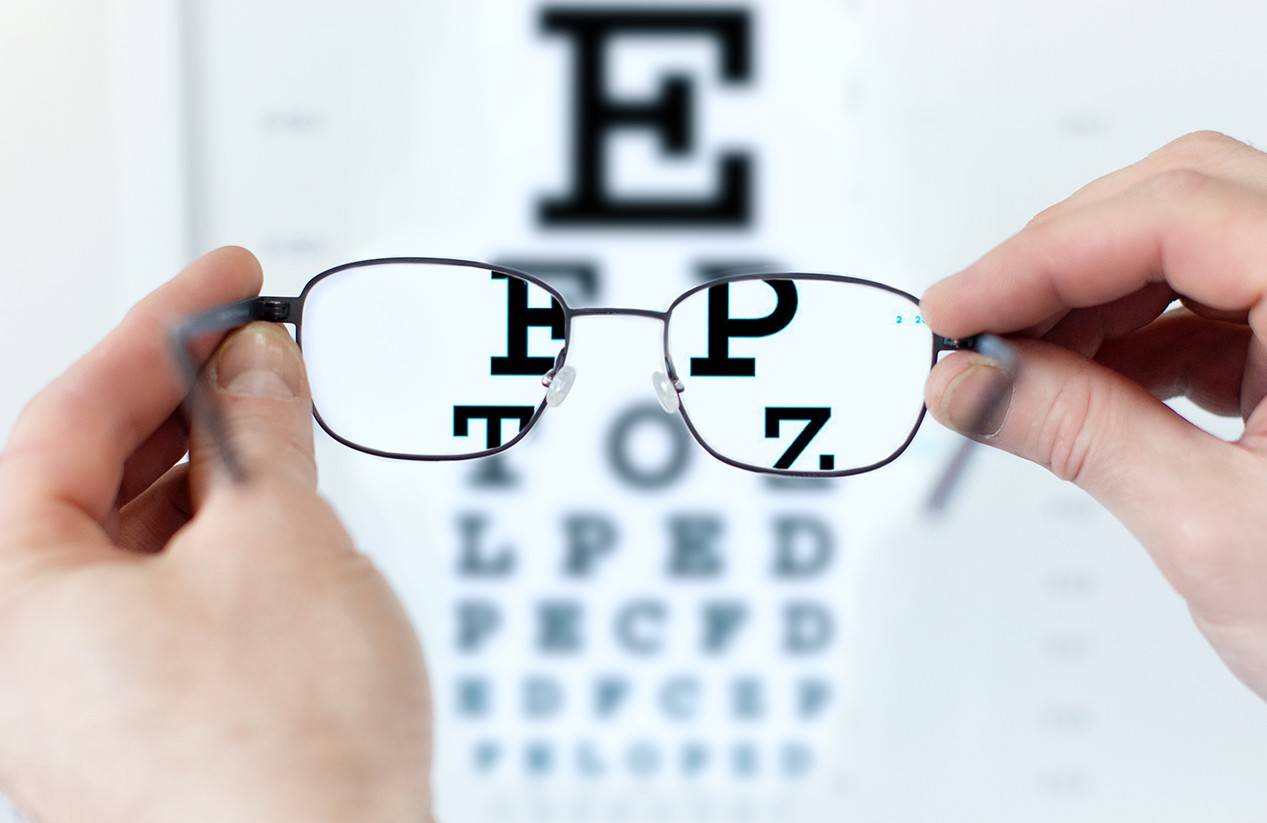
A glasses prescription is the written information from an eye exam that tells how your lenses need to correct your vision. It is different from a contact lens prescription, so use the eyeglass version when buying prescription glasses online.
Your glasses prescription may include terms such as OD, OS, SPH, CYL, Axis, ADD, and PD. These details tell the lens maker which eye each value belongs to, what lens power is needed, and how the lenses should be positioned.
You do not need to memorize every prescription term before buying prescription glasses online. The key is to copy each value exactly as written, including plus signs, minus signs, blank fields, and right-eye or left-eye labels. If any abbreviation or number looks unclear, confirm it with your eye care professional before placing the order.
Use a current prescription that is still valid for ordering glasses. In many regions, eyeglass prescriptions have an expiration date, so check the date before placing an order. If your prescription has expired, schedule a new eye exam before ordering. If the numbers are unclear, ask your eye care professional for an updated copy.
A clear prescription is the first step because it affects the lenses, not just the frame. Once the lens information is prepared, you can focus on style, fit, and everyday comfort.
Step 2: Check Your Pupillary Distance Before Ordering
Pupillary distance, often shortened to PD, is the distance between the centers of your pupils. It is usually measured in millimeters. PD helps position prescription lenses so they line up with your eyes.
When ordering glasses online, you may be asked to enter one PD number or two PD numbers. A single PD is one number that measures the distance between both pupils. A dual PD uses two numbers, one for each eye's distance from the center of the nose.
PD may appear on your prescription, eye exam record, or a previous glasses order. If it is not listed, you can ask your eye care professional whether they have it. Some online eyewear sites also provide instructions for measuring PD at home.
Before checkout, confirm:
Whether the form asks for single PD or dual PD
Whether the number is in millimeters
Whether you are entering right and left values in the correct places
Whether the PD matches the type of lenses you are ordering
PD is a small detail, but it plays a practical role in making prescription glasses online easier to order correctly.

Step 3: Choose Frames That Fit Your Face and Daily Style
Frame choice is where online glasses shopping becomes personal. The right frame should match your face size, your style, and how you plan to wear the glasses.
Start with frame measurements. Most frames include lens width, bridge width, and temple length. Lens width is the width of one lens. Bridge width is the space between the lenses across the nose. Temple length is the length of the side arms that rest behind the ears.
If you already own a pair that fits well, compare its measurements with the frames you are considering online. This gives you a useful starting point.
Frame shape also matters. Rectangle glasses can look clean and structured. Round glasses can feel softer or more creative. Cat eye frames can add lift. Oval frames can feel classic and balanced. Square and geometric frames can create a stronger outline.
When choosing frames online, check:
Frame width compared with your face width
Bridge design and nose fit
Lens height and how much of the face the frame covers
Rim thickness and how bold the frame feels
Frame material and weight
Color and how it works with your wardrobe
Product images from more than one angle
A good frame does more than look nice in a photo. It should feel suitable for work, errands, screen time, driving, reading, or any routine where you wear glasses often.
Step 4: Pick the Right Lens Type for Your Vision Needs
Lens type depends on how you use your prescription. This is one of the most important parts of buying prescription glasses online because different lens types serve different viewing needs.
The table below gives a simple comparison of common lens types.
Lens Type | What It Is | Common Use |
|---|---|---|
Single Vision | One prescription power across the lens | Distance, reading, or general daily wear |
Reading Lenses | Lenses made for close-up focus | Books, menus, phone use, or desk tasks |
Bifocal Lenses | Lenses with two main viewing areas | Distance and near vision in one pair |
Progressive Lenses | Multifocal lenses with a gradual change in power | Distance, intermediate, and near vision |
Prescription Sunglasses | Sunglasses made with vision correction | Outdoor wear with prescription lenses |
Single vision lenses are often the simplest option. They use one prescription power for one main distance, such as distance vision or reading. Progressive lenses and bifocal lenses require more careful prescription entry because different parts of the lens serve different viewing zones. If you are ordering these lenses for the first time, review the prescription details closely before checkout.
Choose the lens type that matches your prescription and daily habits. A pair used mostly for driving may need different lens choices than a pair used mainly for reading or computer work.
Step 5: Compare Lens Materials and Coatings Carefully
After choosing the lens type, the next step is selecting lens material and coatings. These options can affect lens thickness, weight, appearance, and daily use.
Lens material refers to what the lens is made from. Some materials are designed to be lighter or thinner for certain prescriptions. Higher-index lenses, for example, can help create a slimmer lens profile for some stronger prescriptions.
Lens coatings are added features applied to the lens surface. They can support clearer lens use in specific situations. Common options may include:
Anti-reflective coating, which helps reduce visible reflections on the lenses
Scratch-resistant coating, which helps support lens surface durability
UV protection, which helps filter ultraviolet light outdoors
Photochromic lenses, which darken in sunlight and become clearer indoors
Blue light filtering lenses, which are often chosen for screen-heavy routines
Someone who drives often may value glare reduction. Someone who moves between indoor and outdoor settings may prefer photochromic lenses. A person with a stronger prescription may want to compare lens thickness options.
Choose lens upgrades based on your prescription, daily routine, and comfort preferences. The most useful options are the ones that match how and where you wear your glasses.
Step 6: Review Your Prescription Details Before Checkout
The final review can make the online buying process feel smoother. Before placing an order, compare each value on the order page with your original prescription.
Check the right eye and left eye first. Then review SPH, CYL, Axis, ADD, and PD. Keep plus signs and minus signs exactly as written. A plus sign and a minus sign change the prescription meaning.
Use this checkout checklist:
OD values match the right eye.
OS values match the left eye.
SPH signs and numbers are entered correctly.
CYL and Axis are entered together when CYL has a value.
ADD is included only when the lens type requires it.
PD is entered in the correct format.
Frame size looks close to a pair that already fits well.
Lens type matches your prescription and use case.
Shipping address and order details are correct.
If the online form uses a different layout from your prescription, check the entry instructions or confirm the correct format before checkout. This keeps the process clear and helps each lens value stay connected to the right eye and lens type.
Step 7: Use Your Details to Compare Frames and Lenses
Once your prescription, PD, frame size, and lens needs are clear, comparison becomes easier. Look at frames and lenses side by side instead of choosing based only on style.
Focus on the details that affect daily wear:
Frame shape and width
Bridge fit and temple length
Lens type and lens material
Coatings that match your routine
Color, weight, and overall style
This helps you narrow the options without rushing. A good pair should match your prescription, fit your face comfortably, and work with the way you wear glasses every day.
Complete Your Glasses Order with Clear Details
Buying prescription glasses online is simpler when your prescription, PD, frame size, and lens needs are ready. Check each value, compare frame measurements, choose lens options that match your routine, and review the order before checkout. With the right details in place, you can shop online glasses with more confidence and choose eyewear that fits your vision, style, and everyday life.
FAQs
Q1. What Do I Need to Buy Prescription Glasses Online?
You need a current eyeglass prescription, your pupillary distance, and a basic idea of your preferred frame size. It also helps to know whether you need single vision, reading, bifocal, progressive, or prescription sunglass lenses. Having these details ready makes the order process easier.
Q2. Can I Use My Current Glasses Prescription Online?
Yes, you can use a current eyeglass prescription to buy prescription glasses online. Make sure it is for eyeglasses, not contact lenses. If the prescription date needs review or the numbers are hard to read, ask your eye care professional for an updated copy.
Q3. How Do I Choose the Right Frames When Buying Glasses Online?
Compare the frame measurements with a pair you already like. Look at lens width, bridge width, temple length, frame shape, and color. The right frames should match your face size, prescription needs, and daily style.
Q4. What Should I Check Before Placing an Online Glasses Order?
Check your OD and OS values, SPH signs, CYL and Axis details, ADD if needed, and PD format. Then review the frame size, lens type, coatings, shipping details, and estimated production time, especially if your lenses require custom prescriptions. A careful final review helps keep the order clear and complete.