
Learning Center
How to Choose Glasses Frames for Your Face Shape


The right glasses frames can make your features look more balanced, polished, or expressive. Face shape gives a useful starting point, but it is only one part of the choice. Frame width, lens height, bridge fit, color, and personal style all change the final effect. A better pair should fit your face, support your daily routine, and feel natural with the way you dress.

How to Identify Your Face Shape
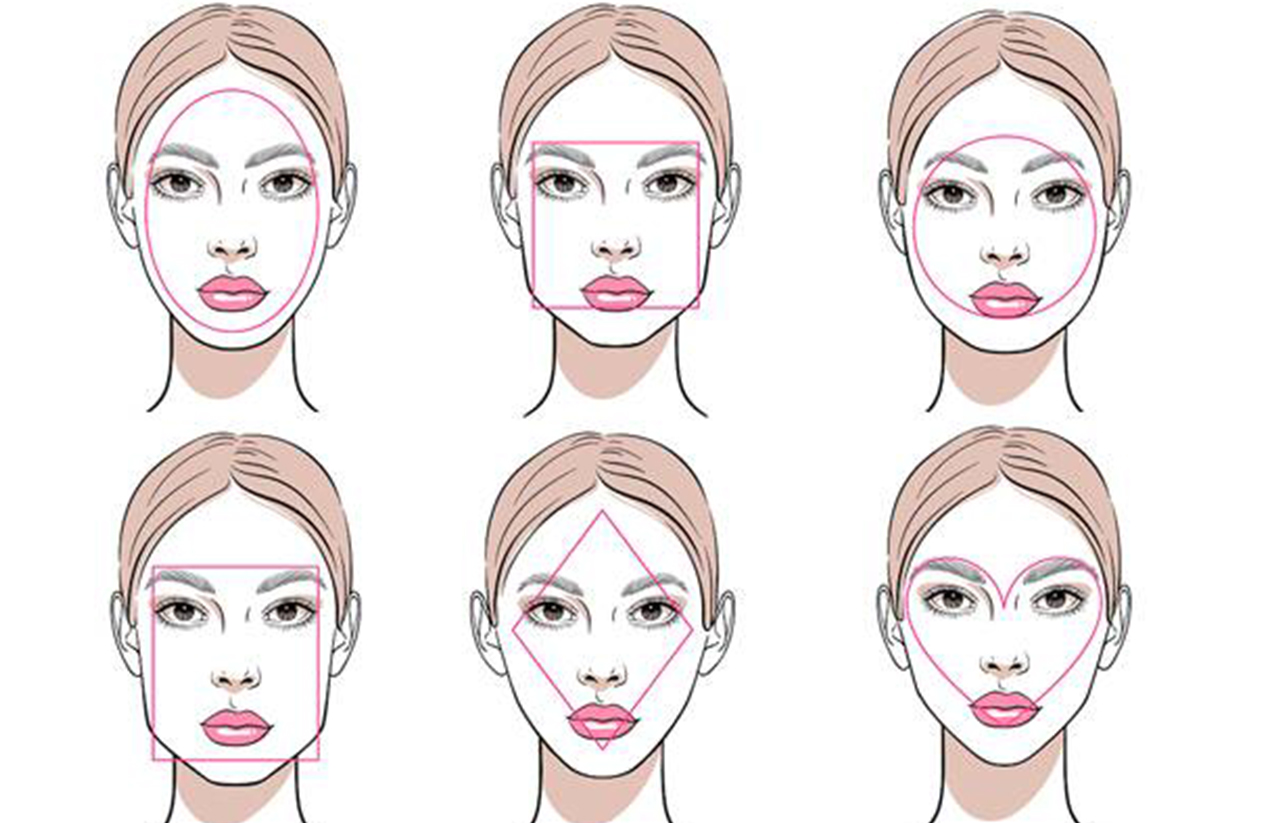
Face shape is based on the general outline of your forehead, cheekbones, jawline, chin, and face length. You do not need an exact label, but knowing the closest shape can help you choose glasses frames with better balance.
A round face usually has fuller cheeks, a softly curved jawline, and similar face width and face length. Angular frames can add more definition.
An oval face is usually slightly longer than it is wide, with balanced proportions and a softly curved jawline. Many frame shapes can work well.
A square face often has a broad forehead, a strong jawline, and similar width across the forehead and jaw. Rounded or softened frames can add contrast.
A heart face usually has a wider forehead and a narrower chin. Frames with balanced width, lighter rims, or softer lower edges can help the face feel proportionate.
A diamond face often has noticeable cheekbones, with a narrower forehead and chin. Oval, round, cat eye, or soft geometric frames can draw attention to the eye area.
A long face has more vertical length than width. Wider frames, taller lenses, or styles with more visual presence can help add balance.
Many people have mixed features, so use the closest match as a starting point. The final choice should also depend on frame width, lens height, bridge fit, color, and personal style.
How Frames and Face Shapes Work Together
When comparing frames and face shapes, the main idea is balance. Some frames add contrast, while others follow the natural lines of the face. Angular frames can add structure to softer faces. Curved frames can soften stronger facial lines. Taller frames can add fullness, while wider frames can create a more horizontal balance.
The table below gives a quick overview before looking at each face group in more detail.
Face Shape | Common Features | Frame Direction | Style Goal |
|---|---|---|---|
Round | Soft cheeks and curved jawline | Rectangle, square, geometric, or angular frames | Add definition |
Oval | Balanced length and width | Most shapes can work well | Keep natural balance |
Long | More vertical length | Wider frames or taller lenses | Add visual fullness |
Square | Strong jawline and broad forehead | Round, oval, or softened square frames | Soften angles |
Heart | Wider forehead and narrower chin | Light, balanced, or slightly rounded frames | Balance the upper face |
Diamond | Strong cheekbones and narrower forehead and chin | Oval, round, cat eye, or soft geometric frames | Highlight the eye area |
This table is a starting point. The final choice should also consider frame size, color, rim thickness, and comfort.
Glasses Frames for Round Faces
A round face often has fuller cheeks, a softer jawline, and similar face width and length. The goal is usually to add definition without losing the face's natural softness.
For a round face, angular frames often work well because they add contrast to softer facial lines. Rectangle glasses, square glasses, soft square frames, and geometric styles can create a clearer outline around the eyes.
Rectangle glasses have lenses that are wider than they are tall. They can add a clean horizontal line across the face and make the overall look feel more structured.
Square frames create a stronger outline around the eyes. They can work well when the size feels balanced with the face and the corners are not too heavy for your style.
When comparing glasses shape for round face styling, focus on these details:
Choose frames with visible corners or straighter lines.
Try rectangle glasses for a clean everyday look.
Pick square or geometric frames for stronger definition.
Use darker rims if you want more contrast.
Try clear or warm tones if you want a softer effect.
Check frame width so the glasses do not feel too narrow.
Round faces can still wear curved frames when the size and rim design add enough balance. A slightly wider round frame or a round frame with a defined rim can still look stylish.
Glasses Frames for Oval and Long Faces
Oval faces usually have balanced proportions. The face is often slightly longer than it is wide, with a softly curved jawline. Because the shape is naturally balanced, many glasses frames can work well.
For glasses for oval face styling, the goal is to keep that balance. Rectangle, square, round, oval, cat eye, and geometric frames can all work depending on your style. A slim rectangle frame can feel clean and professional. Round glasses can add a creative or vintage-inspired touch. Cat eye frames can add lift near the outer corners. Geometric frames can make simple outfits feel more personal.
Long faces have more vertical length. They often look balanced in frames that add width or visual fullness. Taller lenses, medium-to-wide frames, and softly rounded shapes can help the glasses feel proportionate.
For oval and long faces, consider:
Medium frame width for natural balance
Taller lenses if you want more visual fullness
Round or oval frames for softness
Rectangle frames for a clean, streamlined look
Bolder colors if you want the glasses to become a style detail
Oval faces have flexibility, but size still matters. Frame width should stay close enough to your face width to keep the look balanced.

Glasses Frames for Square, Heart, and Diamond Faces
Square, heart, and diamond faces each have more defined structure, but in different areas. Choosing the right frame can soften, balance, or highlight those features.
A square face often has a strong jawline, broad forehead, and clear angles. Round glasses, oval glasses, and softened square frames can create contrast with those lines. If you prefer angular eyewear, choose softer corners or lighter colors for balance.
A heart face usually has a wider forehead and a narrower chin. Frames that feel balanced across the upper face often work well. Light colors, thinner rims, round glasses, oval frames, and soft cat eye shapes can help create a natural look.
A diamond face often has strong cheekbones with a narrower forehead and chin. Frames that draw attention to the eye area can be flattering. Oval frames, round frames, soft geometric shapes, and gentle cat eye styles can highlight the cheekbones without making the frame feel too sharp.
Round glasses often work especially well for square, diamond, oval, and heart faces. They can soften angular features and add a gentle, creative look. Round face wearers can also choose round frames when the width, rim thickness, and color create enough structure.

Frame Width, Lens Height, and Bridge Fit Also Matter
Face shape helps you choose a direction, but frame measurements decide whether the glasses actually look balanced on your face.
Frame width is the full width across the front of the glasses. It should feel close to your face width and sit naturally without looking too narrow or too wide.
Lens height is the vertical height of each lens. Taller lenses create more visual presence, while shorter lenses usually feel more streamlined.
Bridge fit describes how the center of the frame sits on the nose. A well-matched bridge helps the glasses stay stable and keeps the lenses in a comfortable position.
These details can change the result:
A wider frame can add balance to a long or round face.
A narrow frame can look delicate, especially when it matches smaller features.
Taller lenses can add fullness to long faces.
Lower lens height can make rectangle glasses look clean and compact.
A good bridge fit helps the frame sit at the right height.
Color also matters. Dark frames add definition. Clear or light frames soften the look. Tortoise, brown, and warm tones can create a classic everyday style.

How to Compare Glasses Frames Before Buying Online
Online frame shopping becomes easier when you compare the right details before choosing. Start with a pair you already like and check its measurements.
Most frame measurements include lens width, bridge width, and temple length. Lens width is the width of one lens. Bridge width is the space between the lenses across the nose. Temple length is the length of the side arms that rest behind the ears.
Before choosing a new pair, check:
Frame shape and whether it supports your face shape
Total frame width and how it compares with your current pair
Lens height and how much of the face the frame covers
Bridge width and nose comfort
Rim thickness and how bold the frame feels
Color and whether it matches your wardrobe
Product photos from the front and side
A face-shape match is useful, but the glasses should also feel like something you want to wear often. The best option connects shape, size, comfort, and everyday style.

Bring Face Shape, Fit, and Style Together
The best glasses frames work with your face shape, measurements, wardrobe, and comfort needs. Use face shape to choose a frame direction, then check width, lens height, bridge fit, color, and rim thickness before deciding. Compare different frame shapes with a pair you already like, and choose eyewear that feels balanced, flattering, and easy to wear every day.

FAQs
Q1. What Glasses Shape Is Best for a Round Face?
Rectangle, square, soft square, and geometric frames often work well for round faces because they add definition. A slightly wider frame can also help balance soft facial curves. The best glasses shape for round face styling should still match your frame size and personal style.
Q2. Round Glasses Are Best for What Face Shape?
Round glasses often suit square, diamond, oval, and heart face shapes because they add softness and focus around the eyes. They can also work for round faces when the frame has enough width, rim definition, or color contrast. The final look depends on size and styling.
Q3. How Do I Know If My Glasses Frames Fit My Face?
Your glasses frames should sit level, feel stable, and keep your eyes naturally positioned within the lenses. The frame width should feel balanced with your face width. Bridge fit and temple comfort also affect how natural the glasses feel during daily wear.
Q4. Should Face Shape Be the Main Rule When Choosing Glasses?
Face shape is a useful starting point, but it should not be the only rule. Frame size, color, lens height, bridge fit, prescription needs, and personal style also matter. The best pair should feel comfortable and match how you want to look every day.

