Eyeglasses Guides
Benefits of Blue Light Glasses for Screen Comfort and Daily Use


Protect Your Vision: Shield Your Eyes with Blue Light Glasses
Phones, laptops, tablets, and LED lights are part of everyday life now. The benefits of blue light glasses are often discussed by people who want a more comfortable screen routine without changing how they work, study, or relax. Blue light glasses are not a cure for tired eyes, but they can be a useful lens option for some screen users when chosen with the right expectations.
Quick Answer
They can make bright screens feel softer for some users.
They may add comfort during long work, study, or gaming sessions.
They can be combined with prescription lenses.
They work best with good screen habits, proper lighting, and regular breaks.
They should not be treated as a guaranteed solution for eye strain, sleep problems, or medical eye concerns.
What Blue Light Glasses Are
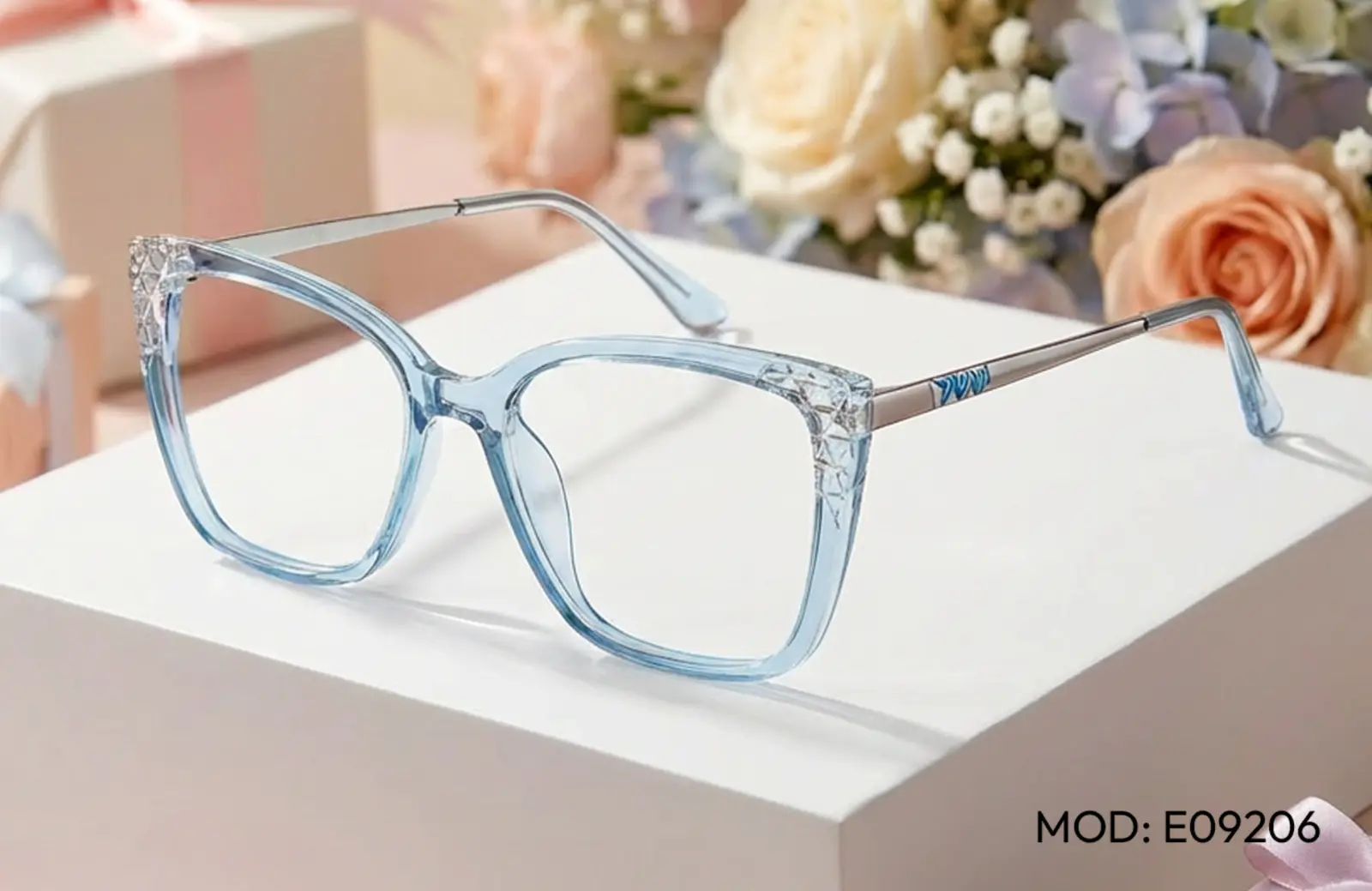
Blue light glasses are eyeglasses with lenses designed to filter part of the blue-violet light range. Blue light is visible light that comes from sunlight, digital screens, LED lights, and other everyday light sources.
Some blue light glasses look almost clear, while others have a light tint. The appearance depends on the lens design.
Blue light glasses can be made with prescription or non-prescription lenses. Prescription lenses are made from an eye prescription to correct vision. Non-prescription lenses do not correct vision, but they may include blue light filtering, anti-reflective coating, or a light tint.
In daily use, blue light glasses are best viewed as a screen-comfort lens option, not as a guaranteed solution for tired eyes or medical eye concerns.
Benefits of Blue Light Glasses for Daily Screen Use
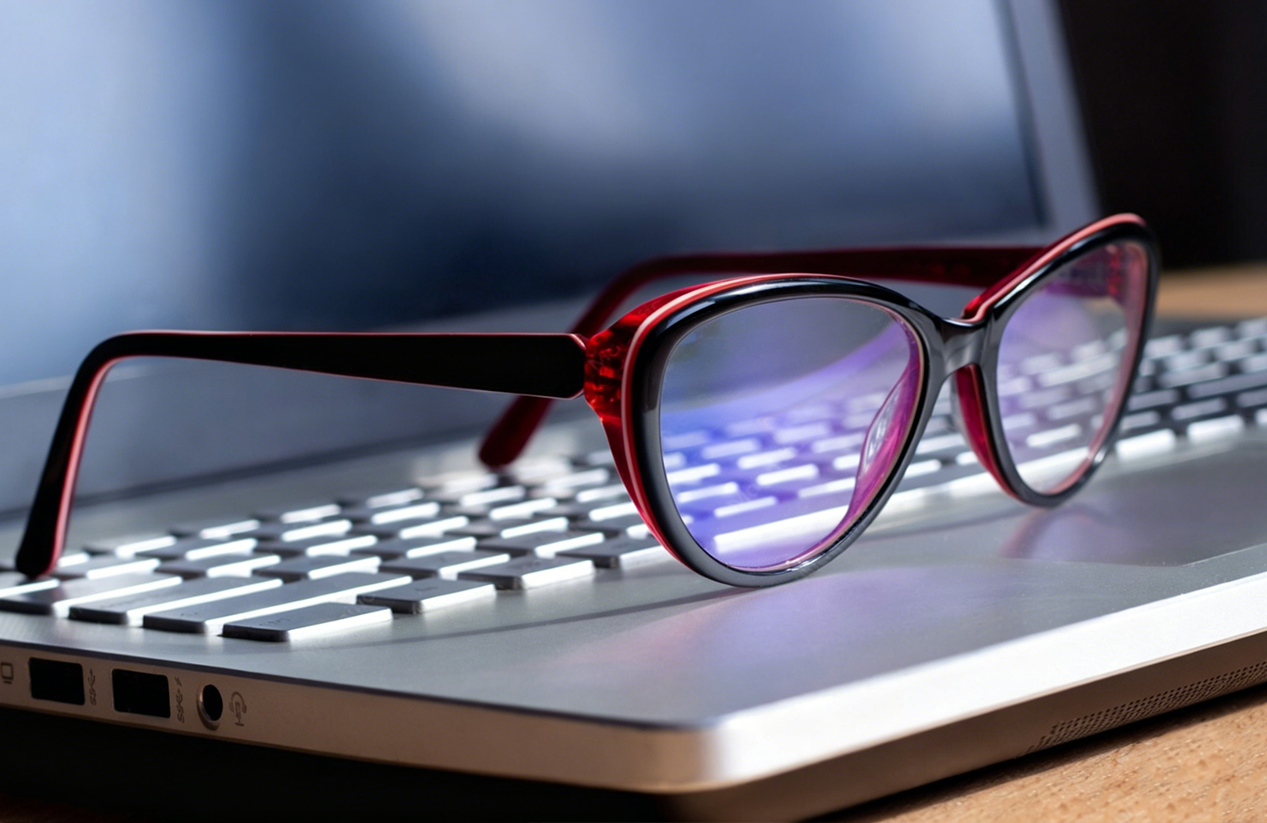
The benefits of blue light glasses are mostly about screen comfort, lens preference, and daily convenience. They are not meant to promise medical results, but they may support a more comfortable screen routine for some users.
Blue light glasses may help with:
Softening the look of bright screens: Some users find that blue light filtering lenses make white screens or LED lighting feel less harsh.
Adding comfort during long screen sessions: They can be a useful lens option for work, study, gaming, online classes, or daily computer use.
Creating a warmer viewing tone: Some lenses have a slight tint that gives screens a softer, warmer look.
Combining screen-use features with prescription lenses: Prescription blue light glasses can correct vision and add blue light filtering in one pair.
Making daily eyewear more convenient: If you use screens often, one comfortable pair can work for laptop use, phone time, reading, and general indoor wear.
Results can vary from person to person. Blue light glasses work best when they are part of a broader screen-comfort setup that also includes proper lighting, screen breaks, and a current glasses prescription.
Why Screen Comfort Depends on More Than Blue Light
Screen comfort is not only about blue light. Long screen sessions can feel tiring for many reasons.
Digital eye strain means temporary eye discomfort linked to screen use. The American Optometric Association associates it with prolonged device use and viewing factors such as lighting, glare, screen distance, and focusing demands. It can also be affected by reduced blinking, dry air, or an outdated glasses prescription.
Blue light glasses may be part of a comfort setup, but they should not be expected to fix every screen-related issue on their own.
The table below shows common screen comfort factors and what may help.
Screen Comfort Factor | Why It Matters | What May Help |
|---|---|---|
Screen Brightness | A screen that is too bright or too dim can feel uncomfortable | Match screen brightness to the room |
Glare | Adjust lighting or use anti-reflective lenses | |
Blinking | People often blink less during screen use | Take breaks and blink more often |
Screen Distance | A screen that is too close can increase focusing effort | Keep the screen at a comfortable distance |
Prescription Accuracy | Old or incorrect lens power can affect comfort | Use a current eye prescription |
Long Focus Time | Eyes stay locked on one distance for too long | Look away regularly |
No single habit or lens feature solves every comfort issue. The best screen routine usually combines suitable eyewear, better lighting, regular breaks, and a comfortable setup.
Anti-reflective coating is a lens coating that helps reduce reflections on the lens surface. It does not replace blue light filtering, but it can be useful for people bothered by glare from screens or indoor lighting.
Prescription and Non-Prescription Blue Light Glasses
Blue light glasses can be made in two main ways: prescription and non-prescription.
Prescription blue light glasses include your vision correction and blue light filtering in one pair. They may be useful if you already need glasses for computer work, reading, or general daily wear.
Non-prescription blue light glasses are made for people who do not need vision correction. They may still include blue light filtering, anti-reflective coating, or a light tint.
Here is the practical difference:
Prescription blue light glasses correct vision and add a screen-use lens option.
Non-prescription blue light glasses do not correct vision.
Prescription lenses should be made from a current glasses prescription.
Non-prescription lenses may be chosen mainly for comfort preference or style.
Both types should fit well and feel comfortable for daily wear.
If you often work on a computer and also need vision correction, prescription blue light glasses may be more useful than non-prescription frames. Clear vision matters first. A blue light lens feature should support your routine, not replace an accurate prescription.
If your eyes feel tired even with glasses, it may be time to check whether your prescription is current. Screen comfort can be affected by lens power, frame fit, monitor distance, and lighting.
How to Choose Blue Light Glasses for Work, Study, and Daily Use
Choosing blue light glasses should start with how you use screens. A student, office worker, gamer, designer, and casual phone user may need different frame and lens choices.
For work or study, comfort usually matters more than bold style. The frame should feel light, stable, and easy to wear for several hours. A heavy frame or poor nose fit can become distracting during long sessions.
For daily use, style also matters. If the glasses look good with your normal outfits, you may use them more often. The best pair should feel natural at a desk, in class, at home, or while checking your phone.
Before buying blue light glasses online, check:
Lens type: Prescription or non-prescription
Prescription details: Use a current glasses prescription if needed
PD: Pupillary distance, which is the space between the centers of your pupils
Frame fit: Choose a frame width and shape that suit your face
Lens coating: Consider anti-reflective coating if glare bothers you
Lens color: Decide whether you prefer clear-looking or lightly tinted lenses
Daily comfort: Check frame weight, nose fit, and temple feel
Use case: Work, study, gaming, reading, or general screen time
Frame size can affect comfort too. A frame that slips, pinches, or sits too low can make long screen sessions less pleasant. If you already own glasses that fit well, compare their measurements before choosing a new pair.
Blue light glasses are easiest to wear when they match your real routine. A simple, comfortable pair can work well for long laptop days, evening phone use, online classes, or daily office tasks.
Screen Habits That Support Eye Comfort
Good screen habits can make blue light glasses more useful. Eyewear can help with certain comfort preferences, but your setup still matters.
Start with breaks. The 20-20-20 rule is a simple screen habit: every 20 minutes, look at something about 20 feet away for 20 seconds. It gives your eyes a short rest from close focusing.
Lighting matters too. A bright screen in a dark room can feel harsh. Strong reflections from windows or overhead lights can also make screens harder to view. Try to keep room lighting and screen brightness balanced.
Small changes can help:
Place the screen at a comfortable distance
Keep the top of the monitor near eye level
Reduce glare from windows or lamps
Blink more often during long screen sessions
Take short breaks between tasks
Use a current glasses prescription
Adjust text size instead of leaning closer
Sleep habits matter as well. Late-night screen use can affect how alert you feel, especially if the screen is bright. Blue light glasses should not be treated as a guaranteed sleep solution, but some users may prefer them as part of an evening screen routine.
For ongoing eye discomfort, blurry vision, headaches, or dry eyes, ask an eye care professional. A lens feature can support comfort, but it cannot replace an eye exam or medical advice.
Build a Screen Routine That Feels Easier on Your Eyes
Blue light glasses can be a practical option for work, study, gaming, and everyday device use. Start with your prescription needs, then compare lens type, frame comfort, coatings, and daily wear preferences. A comfortable pair can support your screen routine while fitting naturally into the way you work, relax, and use devices each day.
FAQs
Q1. Are Blue Light Glasses Effective for Screen Comfort?
Blue light glasses may feel effective for some people who want a softer screen-viewing experience. They work best as part of a broader screen-comfort setup that includes good lighting, regular breaks, and a current glasses prescription. Comfort can vary from person to person.
Q2. Do Eye Doctors Ever Recommend Blue Light Glasses?
Some eye care professionals may discuss blue light glasses as a lens option based on a person’s screen habits and comfort preferences. They may also check other factors first, such as prescription accuracy, dry eyes, glare, screen distance, and lighting. If screen discomfort continues, an eye exam is the best next step.
Q3. Can Blue Light Cause Blurry Vision?
Blurry vision during screen use is often linked to long focus time, reduced blinking, dry eyes, glare, or an outdated prescription. Blue light glasses may support comfort for some screen users, but ongoing blurry vision should be checked by an eye care professional. Clear vision starts with the right prescription and healthy screen habits.
Q4. How Long Should You Rest Your Eyes During Screen Use?
A simple habit is the 20-20-20 rule: every 20 minutes, look at something about 20 feet away for 20 seconds. This gives your eyes a short break from close focusing. Blue light glasses can be part of your screen routine, but regular breaks still matter.