Other
Oversized Glasses for Face Shape: How to Balance Frame Size and Facial Proportion


Oversized glasses can make eyewear feel stylish, expressive, and polished, but their size requires balance. A frame that looks bold in photos should still sit naturally on your face, complement your features, and feel comfortable for everyday wear. The best choice depends on facial proportions, frame width, lens height, color, and how the glasses integrate into your personal style.
How Oversized Glasses Change Face Proportion
Oversized glasses are frames with a larger front shape, wider lenses, or taller lens height than standard everyday frames. They do not necessarily have to cover the entire face. A frame can feel oversized simply because the lens area, rim thickness, or overall width creates a stronger visual presence.
Large frames fundamentally change how the face is viewed. They draw attention toward the eyes, cover more space around the brow and cheeks, and can make eyewear a standout component of an outfit.
The effect relies entirely on proportion. Facial proportion refers to how the width, length, and features of the face relate to one another. A frame that looks perfectly balanced on one person may feel overly dramatic on another because face width, cheekbone height, brow shape, and jawline all influence the final look.
Oversized glasses can:
Make the eye area look more defined.
Add fashionable details to simple outfits.
Soften strong facial lines when the frame has rounded edges.
Add structure when the frame has angular corners.
Create a more expressive look through bold colors and rim thickness.
Balance comes from choosing the right scale. A large frame should still keep your eyes naturally positioned near the center of the lenses. Furthermore, the frame should sit comfortably across your nose and temples without looking disconnected from your face.

Which Face Shapes Can Wear Oversized Glasses Well
When comparing frames and face shapes, oversized glasses can work beautifully for almost anyone. The secret lies in choosing the right shape, width, and rim style for your specific features.
The table below provides a simple starting point for matching oversized glasses with different face shapes.
Face Shape | Oversized Frame Effect | Helpful Frame Direction |
|---|---|---|
Round Face | Adds structure and visual definition | Try rectangle, square, or geometric frames |
Square Face | Softens strong angles when edges are rounded | Try oversized oval, round, or soft square frames |
Oval Face | Adds style while maintaining natural balance | Most oversized shapes can work well |
Heart Face | Draws attention to the upper face | Try balanced widths and lighter rim colors |
Diamond Face | Highlights cheekbones and the eye area | Try soft geometric or slightly upswept frames |
Long Face | Adds visual width and fullness | Try wider frames with moderate lens height |
These suggestions are helpful starting points, not strict rules. Color, hairstyle, rim thickness, and personal style can all alter how oversized glasses look.
Round faces often look more defined with oversized frames that feature structured corners or straight lines. Rectangle, square, or geometric glasses frames can add excellent contrast to soft facial curves.
Square faces may prefer oversized glasses with softer edges. Round, oval, or soft square frames can balance a highly defined jawline while keeping the overall look stylish.
Oval faces usually possess naturally balanced proportions, allowing many oversized shapes to work flawlessly. The primary goal is to avoid a frame that extends much wider than the face or sits too low on the cheeks.
Heart and diamond faces frequently benefit from balanced widths. A frame that is too top-heavy can feel overpowering, while a medium or softly shaped oversized frame will look much more natural.

Frame Sizes to Check Before Choosing Oversized Glasses
Frame sizes are the precise measurements that describe how glasses fit the face. They typically include lens width, bridge width, and temple length. Some product pages may also display lens height and total frame width. These details matter even more with oversized glasses because a slight measurement difference can dramatically change the entire look.
Key frame size terms include:
Lens width: The horizontal width of one single lens.
Bridge width: The space between the lenses where the frame sits on the nose.
Temple length: The total length of the side arms that rest behind the ears.
Frame width: The total horizontal width across the front of the glasses.
Lens height: The vertical height of each lens.
Frame width is especially critical. Oversized glasses should look intentional, but they must still follow the natural width of your face. A frame that extends slightly wider can create a highly fashionable effect, but one that is significantly wider than your face will look unbalanced.
Lens height also dictates the style. Taller lenses create a bolder oversized look and may cover more of the cheek area. A moderate lens height can make large frames feel much easier to wear on a daily basis.
Bridge width affects how high or low the frame sits. A proper bridge fit ensures the glasses stay stable and keeps the lenses in an optimal visual position.
When choosing oversized glasses online, compare the listed measurements with a pair you already own and like. Similar frame sizes can serve as a highly useful reference, even if your new pair features a completely different shape.
How Small Faces and Wide Faces Can Balance Large Frames
Both small faces and wide faces can confidently wear oversized glasses. The best choice always comes down to proportion rather than one fixed rule.
A small face typically has a narrower facial width, smaller features, or less space between the brow and cheek area. For smaller faces, oversized glasses work best when the frame is large enough to make a style statement, but not so expansive that it swallows the face.
Excellent options for small faces include:
Medium-oversized frames instead of excessively large frames.
Thin or medium rims for a lighter, more delicate effect.
Clear, beige, champagne, or soft pastel colors.
Rounded square or softly geometric shapes.
Lens heights that remain balanced with the cheekbones.
A wide face features a broader facial width across the cheeks, temples, or jaw. Wide faces look spectacular in oversized glasses when the frame width naturally aligns with the face and does not visually pinch inward.
Helpful choices for wide faces include:
Frames with ample total width.
Rectangle, square, or softly angular shapes.
Medium to thicker rims for clearer facial definition.
Darker colors for a stronger, bolder outline.
A balanced bridge width for stable, comfortable placement.
The goal for small faces is achieving lightness and proper proportion, whereas the goal for wide faces is securing width and architectural structure. Both can look incredibly polished with the right frame size and color.
Frame shape also provides assistance. A round oversized frame can soften rigid facial lines, while a rectangle or square oversized frame adds crisp definition. Geometric glasses can introduce a fashion-forward look without relying solely on sheer size.
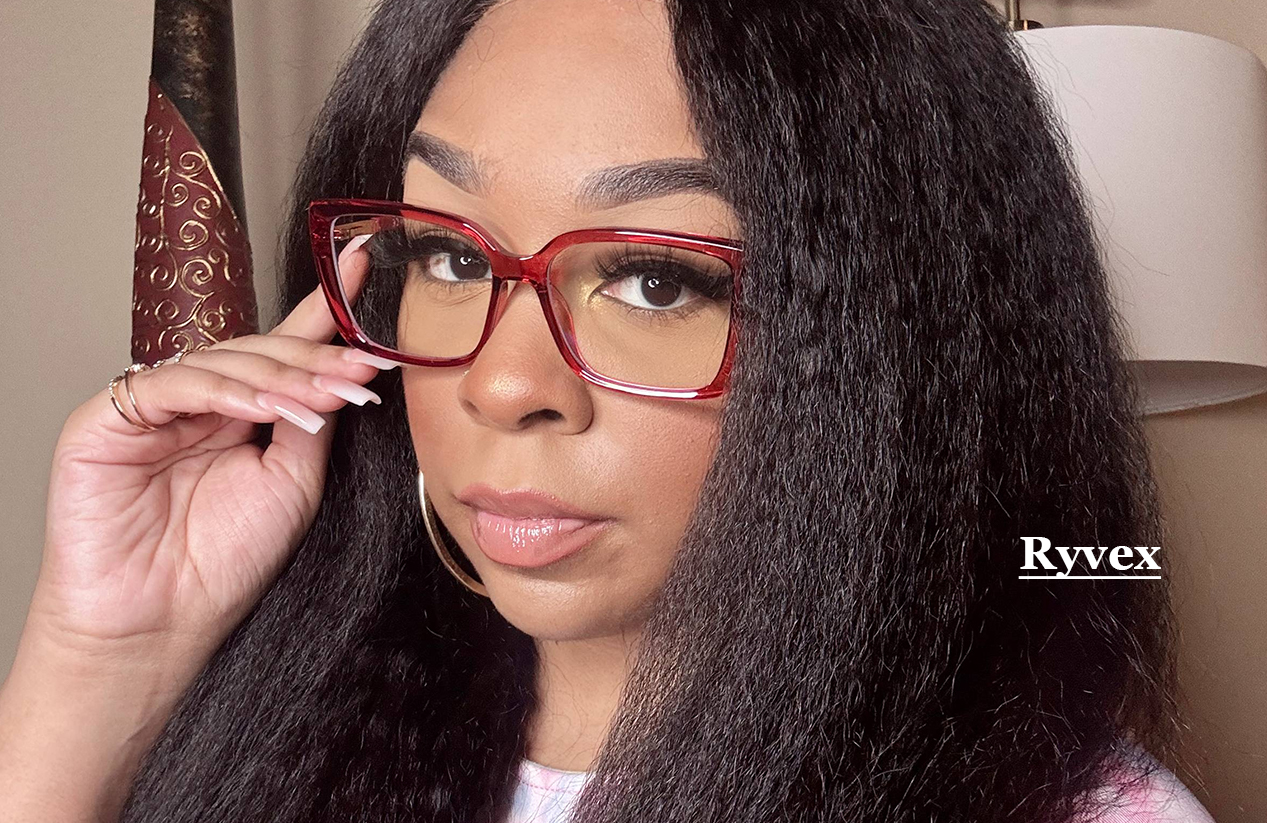
Style Tips for Wearing Oversized Glasses Every Day
Oversized glasses are much easier to wear daily when the frame complements your wardrobe, face shape, and daily routine. The perfect pair should feel stylish without requiring you to change your entire outfit.
Keep these tips in mind when styling oversized glasses:
Choose black or tortoiseshell frames for a classic statement that seamlessly pairs with workwear, denim, knitwear, and basic essentials.
Try clear, beige, soft pink, or light brown frames if you want your oversized glasses to appear softer and more understated.
Pick rectangle or square oversized glasses when you desire sharper facial definition and a cleaner outline.
Choose round or oval oversized frames for a softer, more relaxed aesthetic.
Match bold, thick frames with simpler outfits so the glasses serve as the primary accessory.
Opt for thinner rims if you want large glasses frames to feel physically and visually lighter for all-day wear.
Select thicker rims if you want the oversized shape to lean heavily into high fashion.
Wardrobe color matters, too. Neutral frames are exceptionally easy to repeat across many different outfits. Brighter frames work beautifully when you prefer your eyewear to act as a vibrant extension of your personality.
For professional settings, oversized glasses can easily feel polished when the color is neutral and the shape is balanced. Black, brown, gray, clear, and tortoiseshell tones effortlessly coordinate with office attire.
For casual wear, larger frames can elevate simple outfits, making them feel more intentional. A plain sweater, t-shirt, dress, or jacket instantly looks more styled when paired with an oversized frame that perfectly fits your face.
Comfort must always remain a priority. The glasses should sit completely level, feel stable on your nose, and rest naturally behind your ears. A frame that fits well will always look more natural, no matter how bold the shape may be.
Make Oversized Glasses Feel Balanced and Wearable
Oversized glasses look their best when frame size, face shape, color, and comfort harmoniously balance together. Always compare frame sizes, verify the lens height, and look for a shape that flatters your unique facial proportions. Rounder frames elegantly soften the face, while rectangle, square, and geometric frames deliver striking definition. Explore our collection of oversized glasses to find a pair that feels expressive, perfectly wearable, and easy to style with your everyday wardrobe.
FAQs
Q1. Can Small Faces Wear Oversized Glasses?
Yes, small faces can beautifully wear oversized glasses as long as the frame width and lens height remain balanced. Opting for medium-oversized frames, thinner rims, and lighter colors makes the look much easier to pull off. Comparing frame sizes before buying is the best way to avoid a frame that overwhelms your features.
Q2. Are Oversized Glasses Good for Round Faces?
Oversized glasses work exceptionally well for round faces when the frame adds architectural definition. Rectangle, square, and geometric shapes create a highly flattering contrast with soft facial curves. Choosing a slightly wider frame can also help the face appear more streamlined and balanced.
Q3. How Do I Know If Oversized Glasses Are Too Big?
Oversized glasses may be out of proportion if the frame sits significantly wider than your face, covers too much of your cheeks, or causes your eyes to sit off-center within the lenses. A balanced pair should make a bold statement while remaining visibly connected to your facial structure. Always check the frame width and lens height first.
Q4. What Color Oversized Glasses Are Easiest to Wear?
Black, brown, tortoiseshell, clear, beige, and soft gray are universally easy to style with everyday outfits. Darker colors provide a stronger outline and stark definition, while clear or lighter shades allow oversized frames to feel much softer. Ultimately, the best color should match your existing wardrobe and the level of boldness you wish to achieve.