Other
Nose Pads for Glasses: How They Affect Fit, Comfort, and Style


A tiny frame detail can decide whether glasses stay comfortably in place or need frequent adjustment. Nose pads for glasses support the frame on the nose, influence lens position, and help balance the weight of the eyewear. Their shape and placement also affect how a frame looks on the face. Choosing the right design starts with your nose bridge, frame size, and daily comfort needs.
What Nose Pads for Glasses Do
Nose pads are the small contact points between a glasses frame and the sides of the nose. They support the frame and help hold the lenses at a comfortable height.
Their main functions include:
Distributing the weight of the glasses across the nose
Helping the frame remain level
Controlling how high or low the lenses sit
Reducing movement during normal daily activities
Creating space between the frame and the face
Nose pads can be separate adjustable pieces or part of a fixed bridge. An adjustable nose pad is attached to a small metal arm that can be repositioned. A fixed nose bridge is built directly into the frame and has no separate movable pads.
Both designs can provide a comfortable fit. The better option depends on the shape of your nose, the material of the frame, and the size of the glasses.
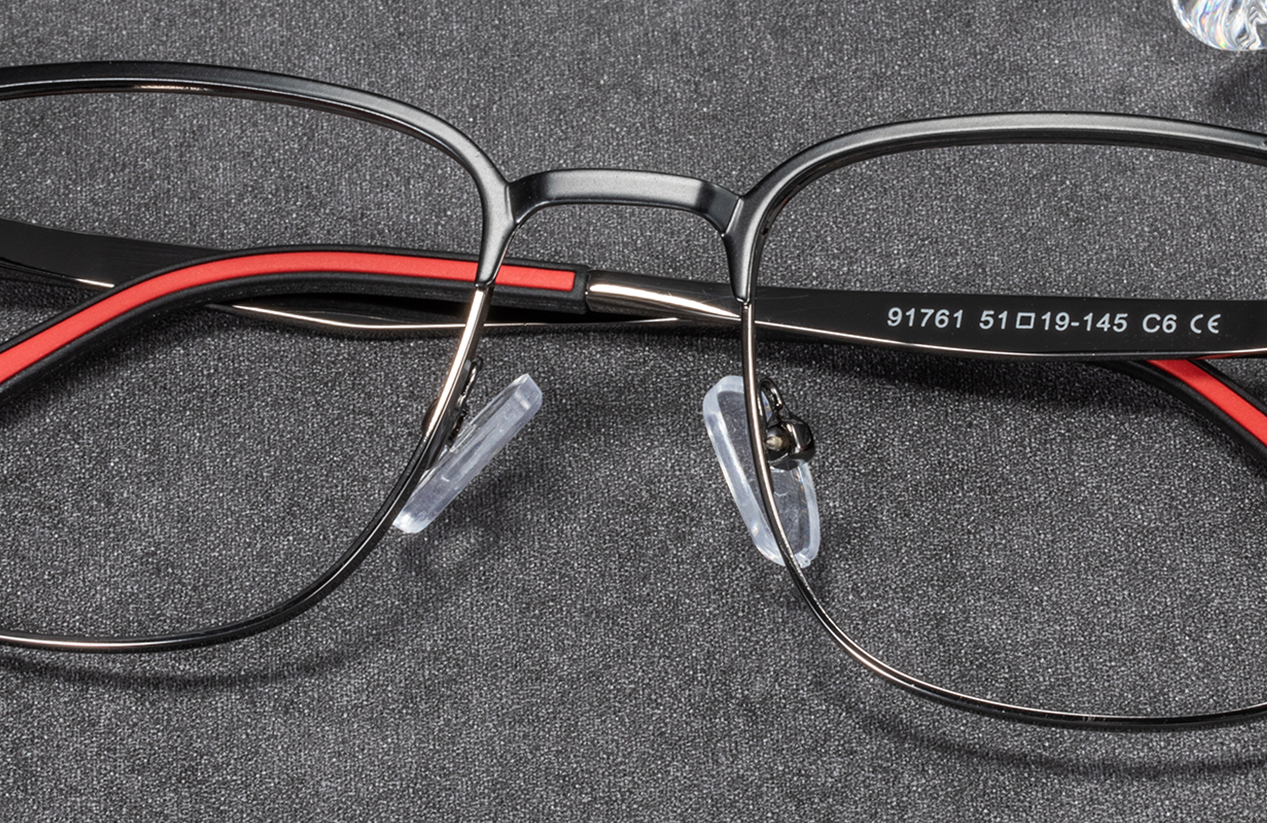
How Nose Pads for Glasses Affect Comfort and Stability
Comfort depends on how evenly the nose pads support the frame. When both pads make balanced contact, they can help keep the glasses stable and distribute weight more evenly.
The distance between the pads also changes how the frame sits. Pads positioned closer together may hold the frame higher, while pads positioned farther apart may allow it to sit lower. Small adjustments can also change the distance between the lenses and the eyes.
Nose pad angle matters as well. The full surface of each pad should rest naturally against the nose. If only one edge makes contact, the pressure may feel less balanced.
For comfortable daily wear, nose pads should:
Support both sides of the nose evenly
Keep the frame level
Hold the glasses in a natural position
Feel secure without unnecessary pressure
Allow the frame to stay stable during normal movement
Frame weight also affects comfort. Frame weight and balance vary with lens size, rim design, and material. Properly positioned nose pads help distribute the frame's weight more evenly, improving comfort and stability throughout the day.
Adjustable Nose Pads for Glasses vs. Fixed Nose Bridges
Adjustable nose pads and fixed bridges support glasses in different ways. Neither design is automatically better. The right choice depends on fit preferences, frame style, and how much adjustment the wearer needs.
The table below compares their main features.
Feature | Adjustable Nose Pads | Fixed Nose Bridge |
|---|---|---|
Structure | Separate pads attached to small pad arms | Bridge built directly into the frame |
Adjustability | Pad angle and spacing can often be changed | Fit depends mainly on the original bridge shape |
Common Frames | Often found on metal glasses and mixed-material frames | Often found on plastic and acetate frames |
Appearance | Creates a small space between the frame and nose | Offers a smooth, continuous frame design |
Fit Options | Can be adjusted for different nose shapes | Available in different bridge widths and designs |
Care | Pads can often be cleaned or replaced | Bridge is cleaned as part of the frame |
Adjustable pads offer more flexibility in how the glasses sit. Fixed bridges can also feel secure and comfortable when their shape and width match the nose well. Frame design and accurate sizing are more important than choosing one bridge type for every situation.
How Nose Pads Fit Low and High Nose Bridges
The nose bridge is the upper area of the nose where the glasses rest. Its height, width, and shape influence frame position.
A low nose bridge may benefit from adjustable nose pads or a bridge shape designed to help the frame sit securely at a comfortable height. Adjustable nose pads can help position the frame at a suitable height and create comfortable contact on both sides of the nose.
A higher or more defined nose bridge may naturally support many bridge designs. The frame still needs an appropriate bridge width so it does not sit too high or create uneven contact.
Nose shape varies from person to person, so bridge height should be treated as one fit factor rather than a strict rule. Someone with a low nose bridge may feel comfortable in either adjustable pads or a fixed low bridge design. Someone with a high nose bridge may also prefer either option depending on the frame.
The goal is simple: the glasses should sit at a natural height, stay balanced, and provide comfortable support without frequent movement.
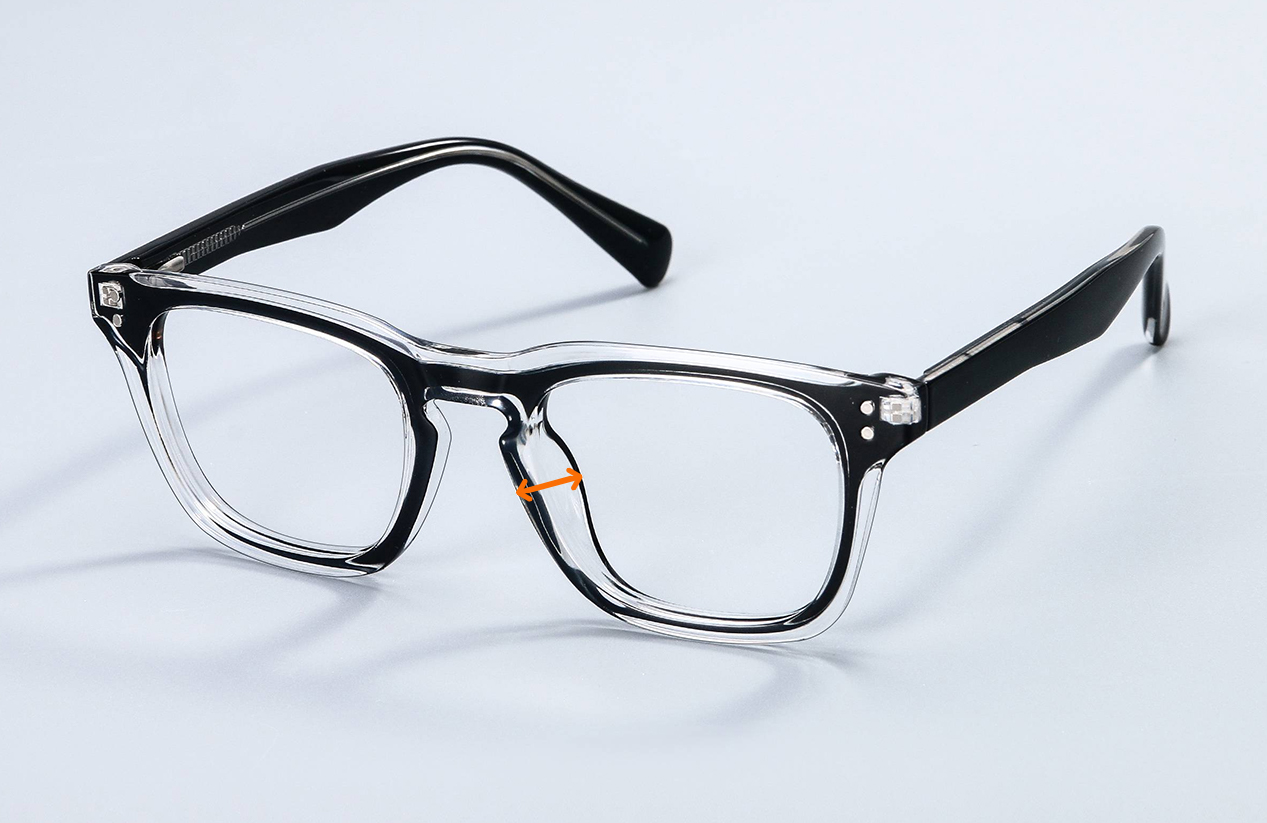
Nose Pads on Metal Glasses and Other Glasses Frame Styles
Separate nose pads are commonly associated with metal glasses, which are frames made mainly from metal components. The slim construction often leaves space for small pad arms and adjustable support.
Nose pads may also appear on:
Mixed-material frames that combine metal and plastic
Some rimless glasses, where the lenses have little or no surrounding rim
Some semi-rimless frames, where only part of each lens is surrounded by a rim
Fashion frames designed with adjustable bridge support
Selected lightweight glasses frame designs
Fixed bridges are common in plastic and acetate frames. Acetate is a frame material known for its smooth finish and broad range of colors and patterns. The bridge is usually shaped as part of the front of the frame.
These structures create different visual effects. Adjustable pads can make a metal frame appear light and refined. A fixed bridge can create a clean and continuous outline. Both styles can support professional, casual, minimalist, or fashion-focused eyewear.
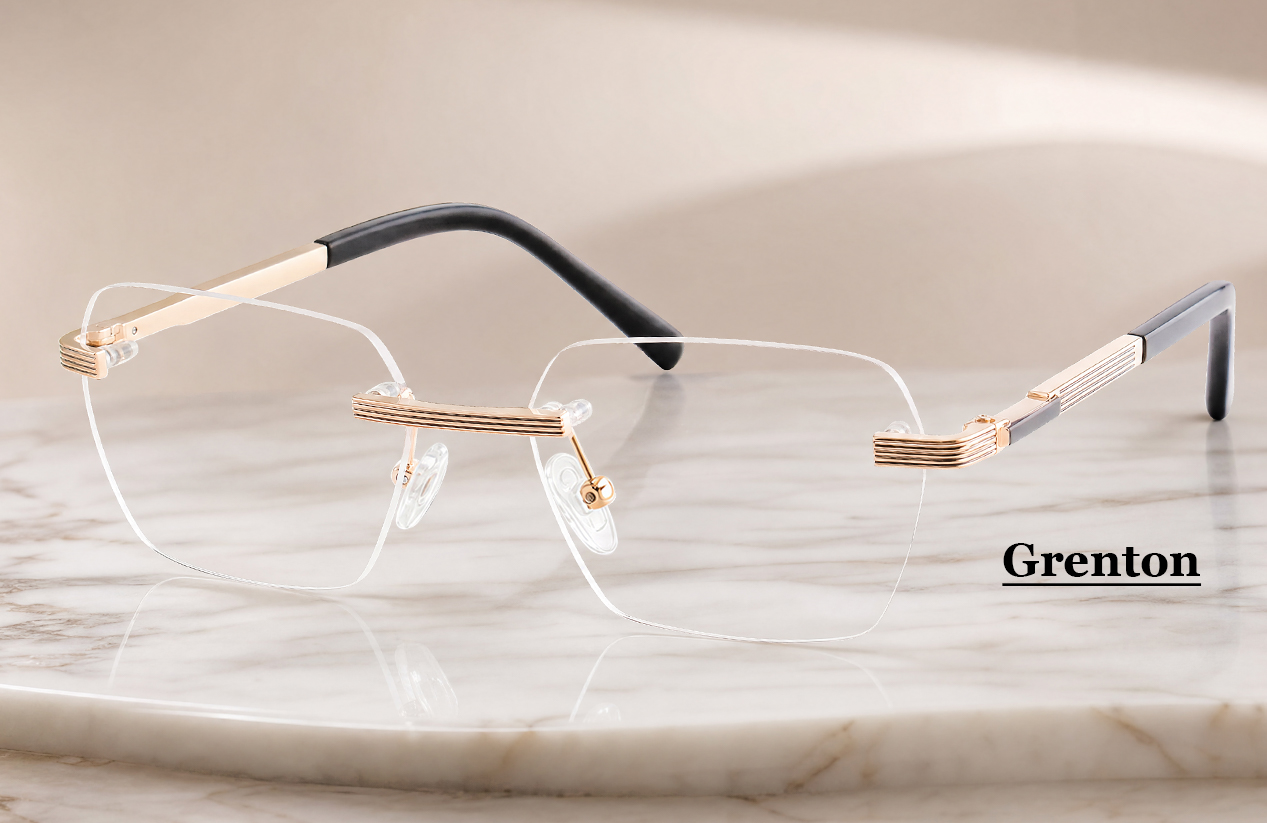
How Frame Sizes Affect Nose Pad Fit
Frame sizes describe several measurements that determine how glasses sit on the face. A balanced fit is easier to achieve when the bridge design and overall frame size work together.
Important measurements include:
Lens width: the horizontal width of one lens
Bridge width: the distance between the two lenses
Temple length: the length of the side arms that extend toward the ears
Frame width: the total width across the front of the glasses
Lens height: the vertical height of each lens
Bridge width has a direct connection to nose fit. If the bridge position does not match the nose, the glasses may sit higher or lower than intended. Adjustable nose pads provide some flexibility, but the overall glasses frame still needs suitable proportions.
Frame width affects balance across the face. A well-sized frame allows the nose pads, bridge, and temple arms to work together. Lens height also changes the visual position of the glasses, especially with taller or oversized frames.
When shopping online, compare the measurements with a pair you already find comfortable. Similar dimensions can provide a useful reference, even when the new glasses have a different shape or style.
How to Check the Fit of a Glasses Frame at the Nose
A simple fit check can show whether the nose pads and bridge are supporting the glasses correctly. Wear the frame in its normal position and move your head naturally rather than judging it only while standing still.
Look for these signs of a balanced fit:
The frame stays level across the eyes.
Both nose pads make even contact.
The glasses remain stable during walking or light movement.
The lenses sit at a comfortable height.
The frame does not rest heavily on one side.
The lower rims remain comfortably clear of the cheeks.
The temple arms sit naturally behind the ears.
The nose pads should feel comfortable and provide even support without creating focused pressure. If the frame needs a noticeable adjustment, an eyewear professional can reposition the pads and check the alignment of the entire frame.

Choose Nose Pads for Glasses That Support Better Fit
Nose pads for glasses work together with bridge shape, frame sizes, material, and overall design. Compare adjustable pads with fixed bridges, then check how each frame sits on your nose and stays balanced during daily wear. Explore metal glasses, acetate frames, and mixed-material styles to find a glasses frame that combines comfortable support with the look you prefer.
FAQs
Q1. Can nose pads for glasses be replaced?
Many separate nose pads can be replaced when they become worn, damaged, or less comfortable. Replacement pads come in different shapes, materials, and attachment styles, so the new pads should match the frame hardware.
Q2. How should nose pads for glasses be cleaned?
Use lukewarm water, mild soap, and a soft cloth to clean around the pads. Avoid pulling or twisting the pad arms while cleaning, and dry the area carefully to prevent residue from collecting around the small fittings.
Q3. Why do nose pads for glasses change color?
Skin oils, cosmetics, dust, and regular wear can gradually affect the appearance of some nose pad materials. Routine cleaning can help maintain them, while replacement may refresh the look when the material has naturally aged.
Q4. Are all replacement nose pads the same size?
No. Nose pads vary in length, shape, material, and attachment method. Checking the existing pad style or asking an eyewear professional can help identify a compatible replacement.