Other
Bridge Width in Glasses: How It Affects Fit, Nose Comfort, and Frame Style


A glasses frame can look perfect in shape and color, but the bridge determines how it actually sits on your face. The bridge width of your glasses affects nose comfort, frame height, lens position, and daily stability. If the bridge is well-matched, the frame feels more natural from the first wear. If it is not, the exact same style may sit too high, too low, or less securely.
What Bridge Width Means in a Glasses Frame
Bridge width is the distance between the two lenses where the frame rests across the nose. It is typically shown in millimeters as the middle number in standard frame measurements.
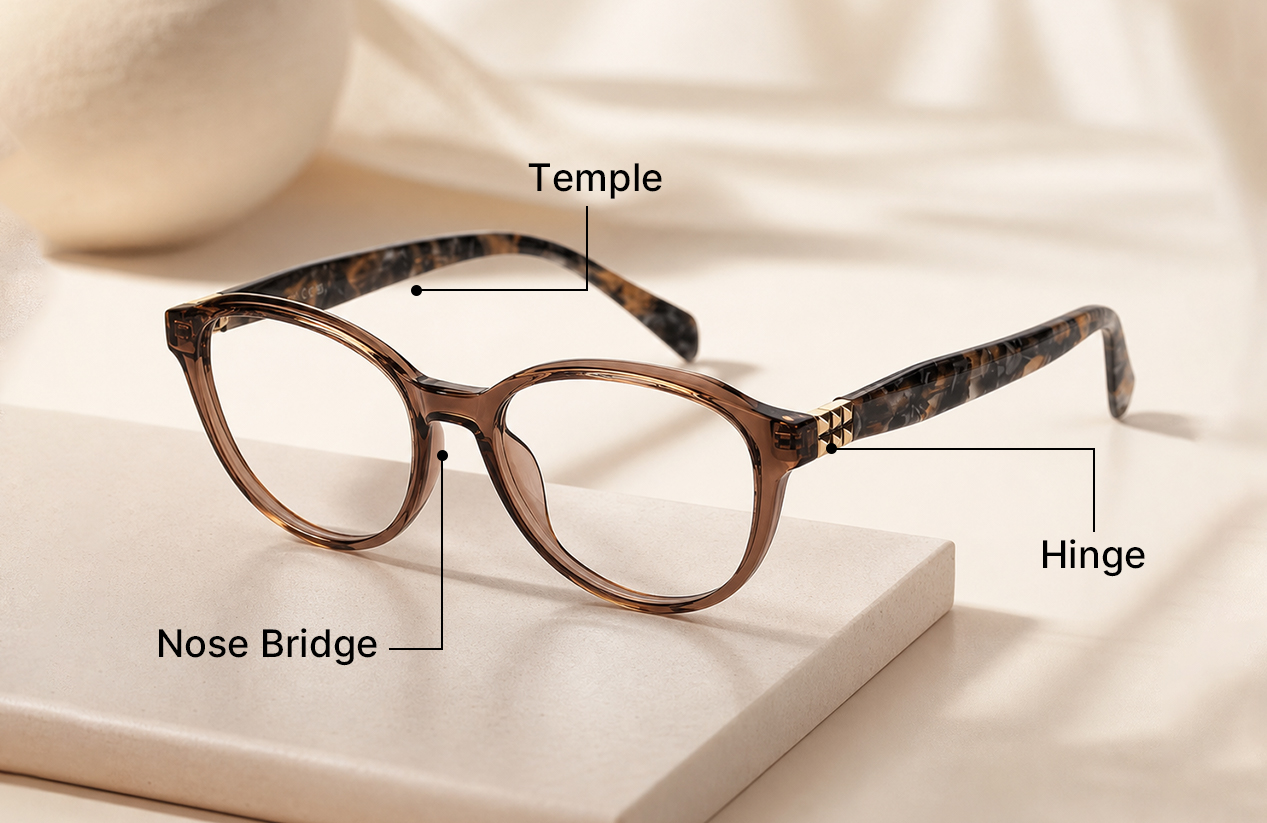
A glasses frame is the complete structure that holds the lenses, including the front, bridge, temples, and sometimes nose pads. While bridge width is just one small part of that structure, it significantly impacts the overall fit.
A narrower bridge may hold the frame higher on certain nose shapes, while a wider bridge allows the frame to sit lower. The ideal fit depends on your nose shape, the frame's design, and its overall size.
How Bridge Width Works with Other Frame Sizes
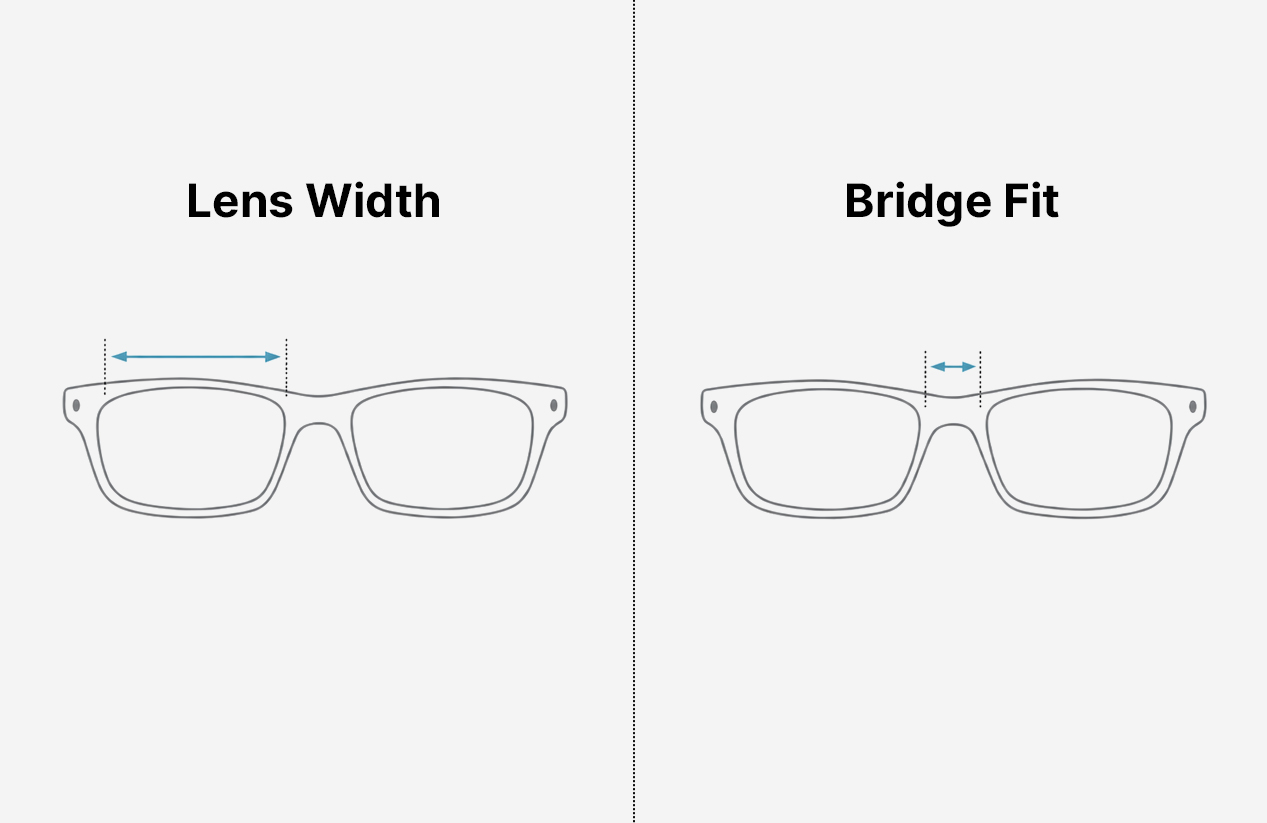
Frame sizes are measurements that describe how glasses fit your face. Bridge width should not be judged in isolation because it works in tandem with lens width, frame width, and temple length.
Common frame size terms include:
Lens width: The horizontal width of one lens.
Bridge width: The distance between the lenses across the nose.
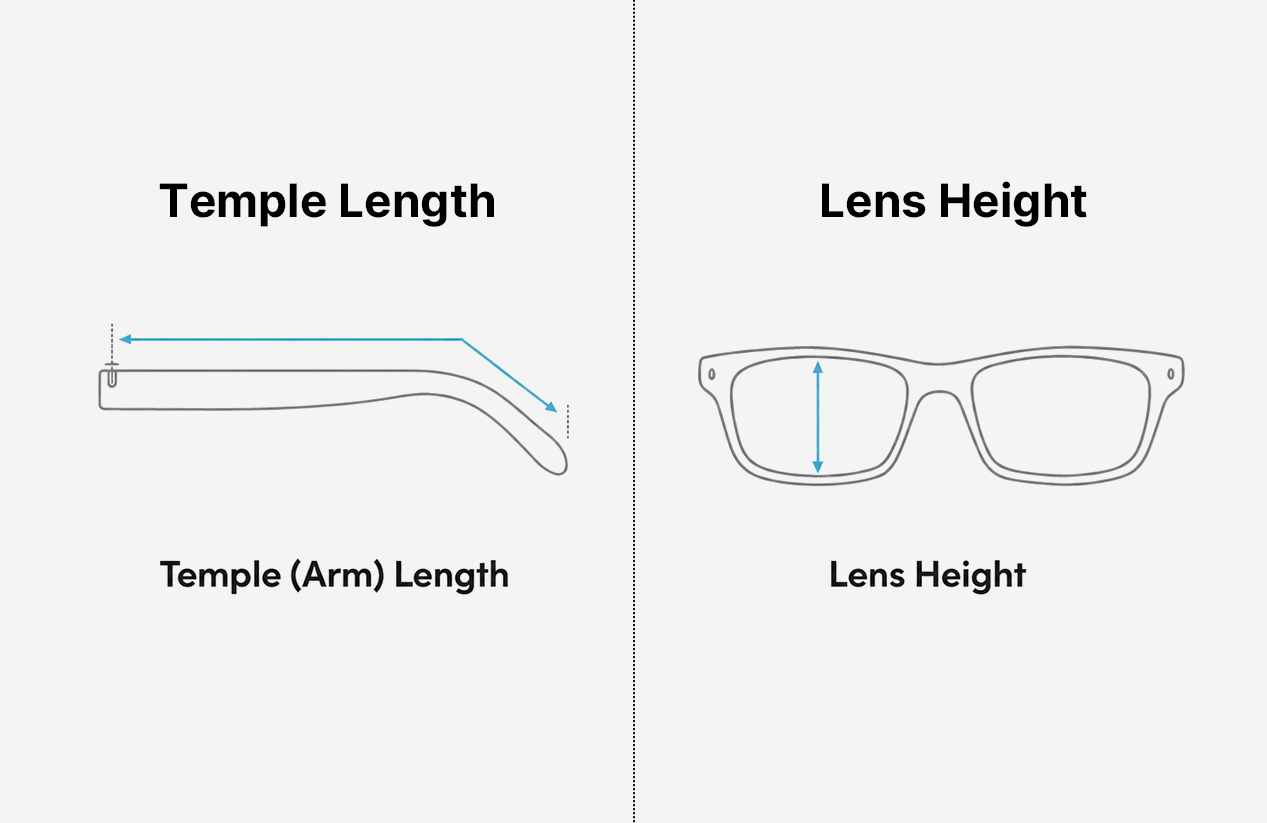
Temple length: The length of the side arms that rest behind the ears.
Frame width: The total width across the front of the glasses.
Lens height: The vertical height of each lens.
Bridge width determines the center fit, while frame width influences the overall balance across the face. Lens height changes how much space the frame covers around the eyes and cheeks, and temple length affects how the glasses rest behind the ears.
These measurements work together. A frame with the correct bridge width may still feel unbalanced if the total frame width is too narrow or too wide for your face. Similarly, a frame with the perfect front width still needs the right bridge shape to sit comfortably on your nose.
When buying frames for glasses online, compare all listed measurements with a pair you already like. Similar numbers can help you determine whether a new frame will feel familiar, even if the shape or color differs.
Why Bridge Width Affects Nose Comfort and Frame Stability
Bridge width dictates where the frame rests on your nose. This position alters comfort, lens height, and how stable the glasses feel during daily wear.
If the bridge fit is well-matched, the frame can sit level and feel balanced. The lenses stay in a natural position, and the weight of the glasses is distributed evenly.
If the bridge is too narrow for your nose shape, the frame may sit higher than intended. If it is too wide, the frame may sit lower or feel insecure. The exact effect depends on the frame material, bridge shape, and whether the glasses feature adjustable nose pads.
Bridge width can affect:
How high or low the glasses sit.
How stable the frame feels during movement.
Whether the lenses sit in a natural optical center.
How evenly the frame rests on the nose.
How the glasses look from the front.
Nose comfort is about balance as much as it is about pressure. A well-fitting bridge helps the frame feel steady without requiring frequent adjustments.
Style changes, too. A frame that sits higher can expose more of the cheek area and place the lenses closer to the brow. A frame that sits lower alters how the eyes appear within the lenses. Proper bridge fit ensures the frame looks intentional and flattering on your face.
Bridge Width and Nose Pads for Glasses: What Is the Difference?
Bridge width and nose pads both influence how glasses sit on the nose, but they serve different functions. Bridge width is a structural frame measurement, while nose pads are specific support points on the frame. The table below highlights the main differences.
Feature | Bridge Width | Nose Pads for Glasses |
|---|---|---|
What It Is | The measured distance between the two lenses across the nose. | Small support pieces that rest on the sides of the nose. |
Main Role | Helps determine exactly where the frame naturally sits on the nose. | Provides customized support and balances the frame. |
Adjustability | Usually fixed as a permanent part of the frame size. | Often adjustable, especially on metal frames. |
Fit Impact | Dictates whether glasses sit too high, too low, or perfectly balanced. | Alters pressure distribution, stability, and exact lens position. |
Common Frame Types | A universal measurement found on all eyeglass frames. | Commonly found on metal glasses, mixed-material frames, and rimless styles. |
What to Check Online | Compare the listed bridge width with a pair that already fits you well. | Verify whether the frame features adjustable pads or a fixed bridge design. |
In short, bridge width indicates the size of the nose area in the frame, while nose pads dictate how that area touches and supports the nose. A comfortable fit relies on both the bridge measurement and the frame's physical design.
How to Check Bridge Width When Buying Frames for Glasses Online
Online frame shopping becomes effortless when you know which fit details to check before ordering. Bridge width is one of the most critical numbers, especially if your glasses often sit too high, slide down, or feel unbalanced.
Start with a pair of glasses you currently wear comfortably. Look at the frame measurements printed on the inside of the temple arm or listed in the product details online. The bridge width is usually the middle number.
Next, compare the new frame's specifications with your current pair. A similar bridge width will likely feel familiar, but remember that bridge shape and nose pad design also play significant roles.
Before selecting a new glasses frame, remember to check:
The bridge width, ensuring it aligns closely with a pair that fits well.
The total frame width, verifying it matches your overall face width.
The lens height, checking if the frame might rest uncomfortably on your cheeks.
The nose pad type, especially if you require adjustable support.
The product photos from both the front and side angles.
The frame material, noting whether the bridge is fixed or adjustable.
Whether you have a low bridge, high bridge, narrow nose, or wider nose, these factors heavily influence how a frame sits. There is no single "perfect" bridge width for everyone. A helpful approach is to compare measurements, examine the bridge shape, and reflect on how your current glasses fit.
If you love how your current glasses rest on your nose, use them as your baseline. If they sit too low or pinch too tightly, look for a bridge measurement that corrects the issue.
Ultimately, comfort depends on everyday functionality. Glasses worn all day should remain stable while walking, reading, using screens, and moving your head. A frame that stays level and rests evenly will undoubtedly be easier to wear for longer periods.
Find a Better Bridge Fit for Everyday Glasses
The bridge width of your glasses drastically impacts nose comfort, optical lens position, frame stability, and overall style. Always evaluate bridge width alongside other frame sizes, nose pad designs, and total frame width before making a purchase. By comparing new frames with a pair you already own and love, you can confidently explore different frames for glasses to find a comfortable, perfectly balanced style for daily wear.
FAQs
Q1. Where Do I Find Bridge Width on Glasses?
Bridge width is generally displayed as the middle number in the sequence of frame sizes printed on the inside of the temple arm. For instance, if a frame lists three measurements (e.g., 50-18-140), the second number (18) refers to the bridge width in millimeters. Online product pages will also explicitly label this measurement.
Q2. Is a Smaller Bridge Width Better for Glasses?
Not necessarily. While a smaller bridge width suits narrow nose shapes, others require a wider bridge for a comfortable, pinch-free fit. The best width relies entirely on your unique facial anatomy and how you prefer your frames to sit.
Q3. Can Nose Pads for Glasses Help With Bridge Fit?
Yes, adjustable nose pads can significantly help fine-tune how the frame rests on your nose. They can elevate a frame that sits too low and improve overall stability. However, the fundamental frame measurements still need to align with your face size for optimal comfort.
Q4. Does Bridge Width Affect Glasses Style?
Absolutely. Bridge width dictates how high or low the frame sits, instantly altering your overall look. It influences where the lenses align with your eyes and brows, and how balanced the frame appears from the front. A proper bridge fit ensures the glasses look aesthetically pleasing and natural.