
Learning Center
Sports Glasses for Everyday Fitness: What to Check for Fit, Lenses, and Comfort


A great walk, run, cycling ride, or gym session should never be interrupted by slipping frames or uncomfortable lenses. Sports glasses are meticulously designed for active routines where secure fit, sustained comfort, and clear vision simultaneously matter. For everyday fitness, the ideal pair must feel exceptionally stable, perfectly match your specific activity, and protect your eyes outdoors without ever feeling heavy or distracting.
What Sports Glasses Are Used For in Daily Activities
Sports glasses are specialized eyewear engineered for dynamic movement, outdoor routines, and everyday fitness. They are frequently utilized for walking, jogging, and cycling, as well as gym workouts, hiking, travel, and other daily activities where standard frames might feel unstable.
You may also encounter the term "sport glasses," which refers to the exact same category of activity-friendly eyewear.
For everyday use, sports glasses typically focus on:
A steadier fit during vigorous movement
Lightweight, ergonomic comfort
Enhanced peripheral lens coverage
Advanced outdoor lens options
Seamless prescription or non-prescription integration
For everyday fitness, the primary focus is active comfort, a steady fit, and practical lens utility rather than heavy-duty professional protective eyewear. The main objective is straightforward: delivering glasses that remain comfortable, feel secure, and perfectly complement how you naturally move.
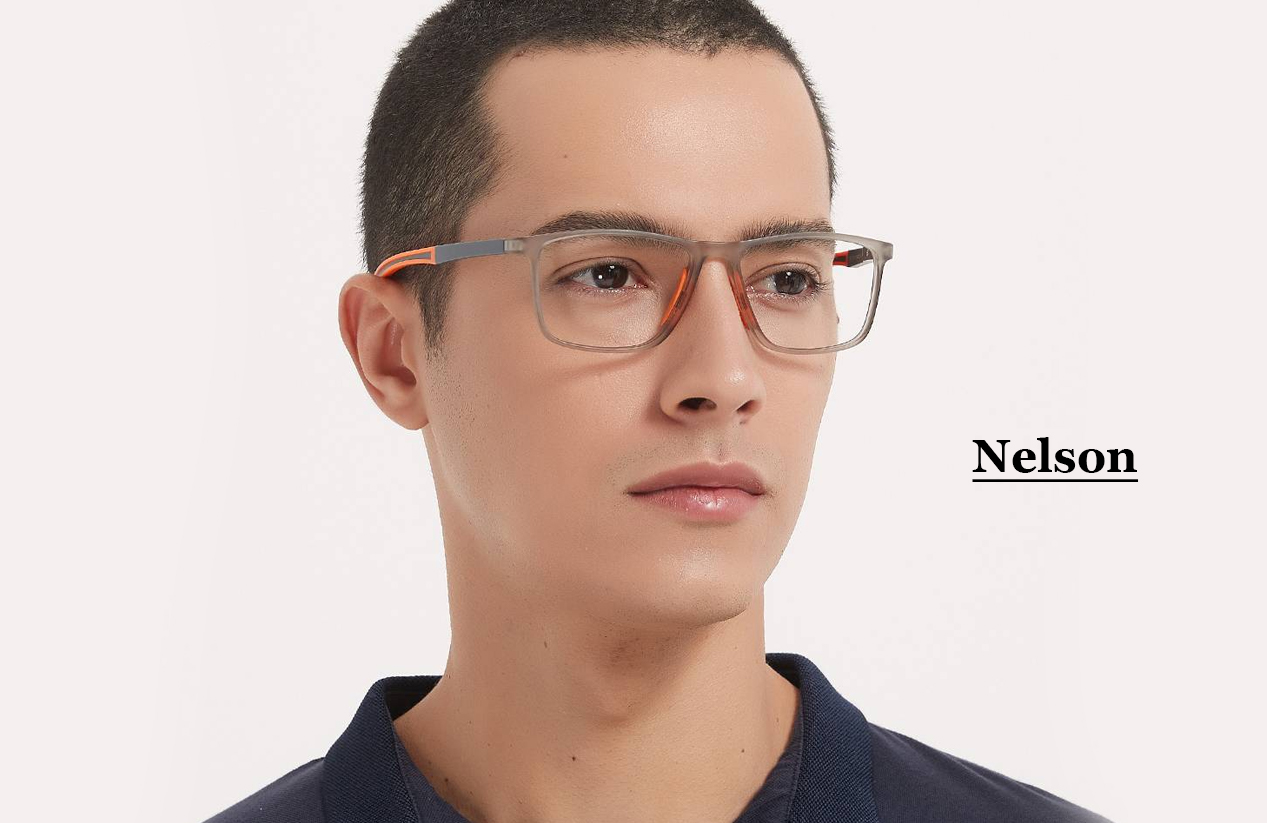
How Sports Glasses Fit Affects Stability and Movement
Sports glasses require a much steadier fit than everyday frames because active movement makes minor fit issues significantly more noticeable. A frame that feels perfectly fine sitting at a desk might easily slide down your nose during a run, shift during cycling, or press painfully behind the ears on a long hike.
The best fit should feel incredibly secure without ever feeling uncomfortably tight. Sports glasses should sit closely enough to stay firmly in place, but not so closely that they press into the nose, temples, or ears. If you find yourself constantly adjusting the frame during your workout, the fit likely does not match your activity level.
Look for essential fit details such as:
A frame width that feels perfectly balanced across your face
A nose bridge area that does not slide when you look downwards
Temples that remain steady without squeezing your head
Lens height that provides ample visual coverage
A lightweight frame construction for extended wear
A silhouette that feels inherently stable during rapid movement
Coverage matters significantly outdoors as well. A slightly larger lens shape or a wraparound-inspired frame can effectively block glaring sunlight and wind from the sides. The goal is not necessarily to pick the absolute largest frame available, but rather to find sports glasses that stay exceptionally steady, feel completely natural, and fully support your active lifestyle.
What Makes Sports Glasses Comfortable for Everyday Wear
Comfort is paramount because sports glasses are often worn during intense movement, high heat, and heavy sweat. A premium pair must feel light, steady, and effortless to wear for hours, not just minutes.
Frame weight is the first critical detail to check. Lightweight sports glasses naturally place far less pressure on the bridge of the nose and the tops of the ears. TR90 is a highly flexible thermoplastic material commonly used in active eyewear. It is an excellent feature to look for because it is renowned for its incredibly light, durable, and flexible feel.
The nose pad area must stay firmly in place when you look down or move rapidly. It should never slide easily or dig into the skin. Similarly, the temples must feel completely secure without pinching tightly behind the ears.
For optimal everyday comfort, always verify:
Lightweight, highly flexible frame materials
A steady, well-balanced nose fit
Ergonomic temples that do not pinch or squeeze
Sufficient clearance around the eyelashes to prevent smudging
A frame design that is fully compatible with athletic hats or headphones
A consistently comfortable feel after thirty minutes of continuous wear
For daily sports glasses, true comfort is the result of several design details working in harmony. A reliable daily pair will feel remarkably light, stay steadfastly in place, and remain highly comfortable across demanding gym sessions, cycling routes, and rigorous outdoor routines.
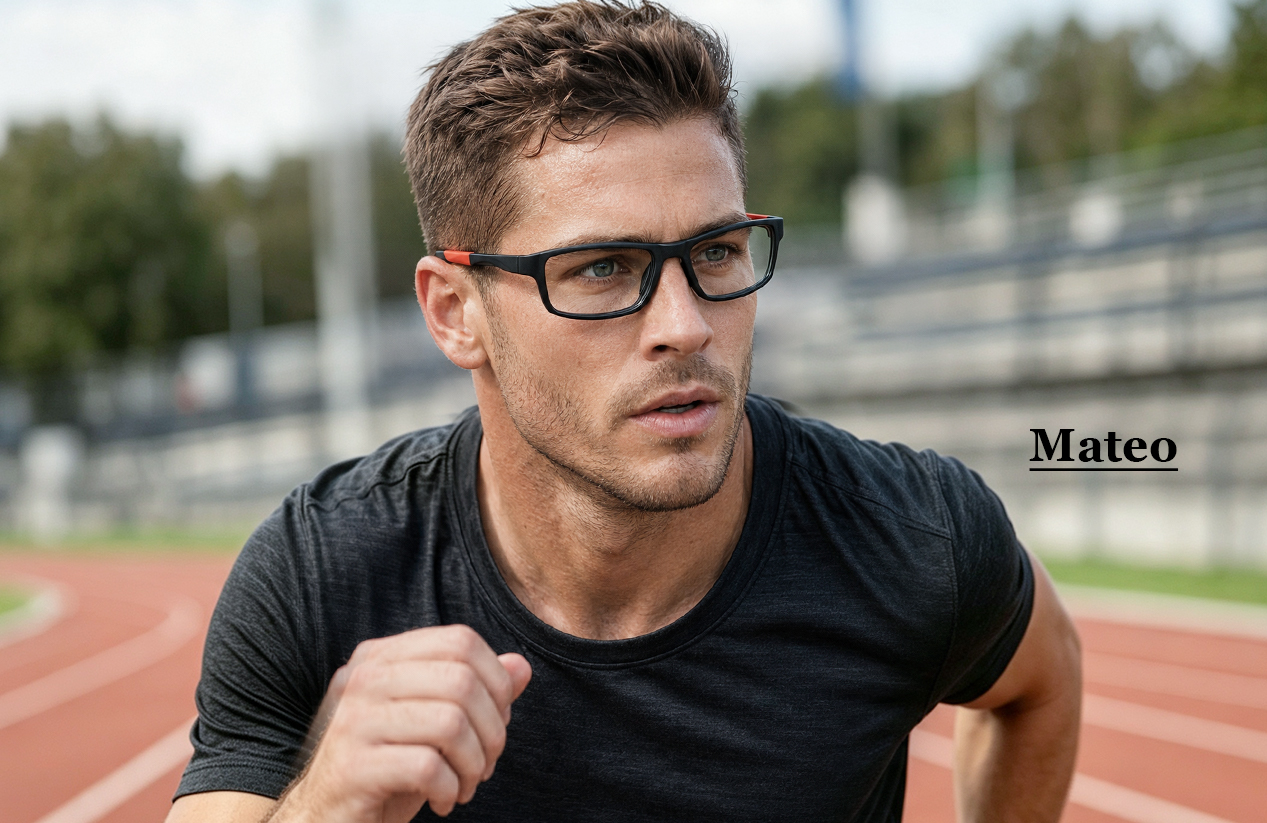
Lens Options for Indoor and Outdoor Sports Glasses
Lens choices should always be dictated by where and how you plan to use your sports glasses. Indoor fitness, outdoor walking, intense cycling, and sunny travel can all demand drastically different lens features.
The table below compares common lens options for active daily use.
Lens Option | Best For | What It Does |
|---|---|---|
Clear Lenses | Indoor workouts, low-light settings | Keeps vision perfectly clear without any tint |
Tinted Lenses | Sunny outdoor activities | Reduces harsh brightness and adds outdoor comfort |
UV Protection Lenses | Daylight use | Helps block harmful ultraviolet radiation from the sun |
Polarized Lenses | Glare-heavy settings | Reduces blinding reflected glare from roads, water, or shiny surfaces |
Prescription Lenses | Vision correction during activity | Seamlessly combines your optical prescription with active-use eyewear |
Photochromic Lenses | Changing light conditions | Darkens automatically outdoors and clears in lower light |
Your lens selection should intimately match your specific activity, not just your aesthetic style. Outdoor sport sunglasses usually require protective tints and UV shielding, while indoor sports glasses function flawlessly with standard clear lenses.
Polarized lenses are meticulously engineered to eliminate intense, reflected glare. They are incredibly useful for sunny roads, open water, and brightly lit outdoor surfaces. Polarization is entirely distinct from UV protection, so ensure you explicitly check for both features when comparing outdoor lenses.
Photochromic lenses dynamically adjust their darkness in direct response to UV light exposure. They are highly practical for individuals who frequently transition between indoor and outdoor spaces, though exact transition speeds will depend on the specific lens technology and ambient temperature.
For those who require optical correction, sports glasses are widely available with single-vision lenses and other specialized prescription types.
Single vision lenses utilize one primary prescription design optimized for a single viewing distance. If you need prescription sunglasses for outdoor fitness, ensure the lens type perfectly accommodates how you utilize your vision during rapid movement.
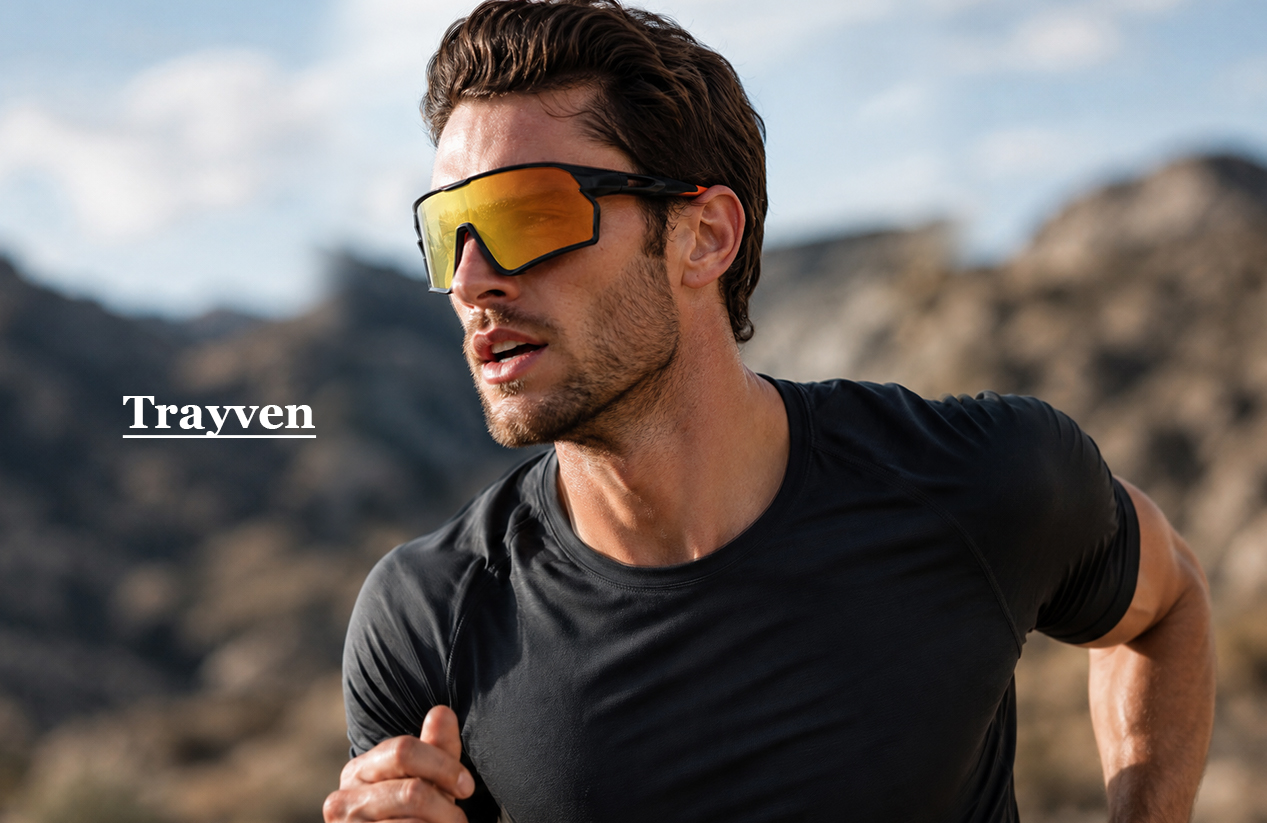
What Are the Differences Between Sports Glasses and Regular Glasses
Both sports glasses and regular glasses can effectively support daily vision, but they are engineered with vastly different priorities. Regular glasses generally focus on everyday wearability, fashion, and casual comfort. Sports glasses, however, prioritize dynamic movement, structural stability, maximum physical coverage, and active durability. Here is a simple comparison:
Feature | Sports Glasses | Regular Glasses |
|---|---|---|
Main Use | Fitness, outdoor activities, active routines | Work, school, errands, casual daily wear |
Fit Priority | Unwavering stability during rigorous movement | Comfortable, relaxed everyday fit |
Frame Shape | Often more secure or coverage-focused (wraparound) | Wide range of fashion-forward and daily styles |
Lens Needs | Frequently include tints, UV protection, or glare control | Typically feature clear or general-use prescription lenses |
Comfort Focus | Lightweight, bounce-free feel during activity | Standard all-day comfort for normal routines |
Outdoor Use | Explicitly designed with sun exposure and movement in mind | Completely dependent on the specific lens and frame choice |
Sports glasses are not exclusively for professional athletes. They are incredibly beneficial for anyone who wants dependable eyewear that feels infinitely more stable during highly active days.
While regular glasses still work beautifully for many daily tasks, sports glasses become essential when rapid movement, heavy sweat, bright sunlight, or demanding outdoor conditions are a regular part of your routine.
What to Check Before Buying Sports Glasses Online
Buying sports glasses online is a seamless process when you carefully compare the details that affect movement, comfort, and lens functionality. Before placing an order, meticulously verify these points:
Activity type: Determine whether you need the glasses primarily for walking, running, cycling, gym workouts, travel, or daily outdoor use.
Frame fit: Evaluate the frame width, lens height, and overall shape. The frame must feel steady without appearing disproportionately large for your face.
Nose area: Ensure the glasses are designed to resist sliding when you look down, sweat heavily, or move rapidly.
Temple comfort: The side arms must grip gently but firmly without pinching behind the ears.
Frame weight: Lightweight sports glasses typically feel much more forgiving during prolonged wear.
Frame material: Materials like TR90 are highly recommended to look for because they often feel incredibly light and virtually unbreakable.
Lens type: Select clear lenses for indoor fitness, tinted lenses for harsh sunlight, or photochromic lenses for shifting light environments.
UV protection: For outdoor sports glasses or sport sunglasses, explicitly look for UV protection certifications such as UV400 or 100% UV protection.
Glare control: Polarized lenses will drastically help if you spend significant time near asphalt roads, open water, or highly reflective surfaces.
Prescription option: If you require vision correction, confirm whether the frame fully supports custom prescription lenses or prescription sunglasses.
Style and daily wear: Choose a versatile frame that complements both your workout gear and everyday outfits, ensuring you get maximum use out of them.
Order details: Double-check the frame size, selected lens options, prescription accuracy, return policy, and estimated shipping times before finalizing checkout.
If you are ordering prescription sports glasses, always use a current, unexpired glasses prescription. You will also need your PD, which stands for pupillary distance, or the exact measurement between the centers of your pupils. These specific details guarantee the lenses perfectly align with your eyes and the chosen frame.
For higher-risk contact sports or organized athletic activities with strict eyewear regulations, always follow the specific sport’s safety guidance or consult an eye care professional to determine which impact-resistant eyewear is most appropriate for your needs.
Find Sports Glasses That Fit Your Active Routine
Sports glasses should flawlessly match the way you move, not just the way they look. Thoroughly evaluate the frame fit, lens type, comfort features, UV protection rating, and prescription options before finalizing your order. A well-matched pair will seamlessly support your walking, running, cycling, gym sessions, and everyday outdoor adventures with a noticeably steadier, vastly more comfortable feel.
FAQs About Daily Wear, Fit & Prescription Sports Glasses With UV Protection
Q1. Can Sports Glasses Be Worn Every Day?
Yes, sports glasses can certainly be worn every day, provided the frame feels comfortable and the lenses match your routine. Many individuals use them for walking, commuting, running errands, travel, and light outdoor activity. For daily wear, simply focus on a lightweight frame, a balanced fit, and versatile lens comfort.
Q2. Should Sports Glasses Feel Tight?
No, sports glasses should feel secure, never tight. A premium pair should stay perfectly in place without pressing hard on the bridge of the nose, the temples, or behind the ears. If the frame leaves red pressure marks or feels uncomfortable after a short period, the fit likely needs adjustment.
Q3. Can Sports Glasses Have Prescription Lenses?
Yes, many sports glasses can be customized with prescription lenses. However, availability may depend on the frame shape, the base curve of the lens, and your specific prescription strength. Always check prescription compatibility before selecting a frame style, tint, or sport sunglasses option.
Q4. Do Sports Glasses Need UV Protection on Cloudy Days?
Yes, outdoor sports glasses should absolutely still have UV protection on cloudy days. While clouds naturally reduce visible brightness, harmful UV rays easily penetrate overcast skies and reach your eyes. For reliable outdoor use, always look for UV400 or 100% UV protection.

