Eyeglasses Guides
Rectangle Glasses vs. Square Glasses: How to Pick the Right Angular Frame


Two frames can share straight lines and still create very different looks. Rectangle glasses feel wider and more streamlined, while square frames add height and stronger definition. The better choice depends on your facial proportions, wardrobe, daily setting, and preferred lens size. By comparing their shape, fit, and overall style, you can choose angular glasses that feel balanced rather than simply following a trend.
Quick Answer
Rectangle glasses are wider than they are tall, creating a clean and streamlined look. They often suit people who prefer compact glasses frames for work or everyday wear.
Square glasses have taller lenses and a more balanced width-to-height ratio. They create a stronger visual presence and can make eyewear a more noticeable part of an outfit.
Choose rectangle glasses for a lower, wider shape. Choose square glasses if you prefer more lens height and a fuller angular frame. Frame width, rim thickness, color, and comfort should guide the final choice.
What Rectangle Glasses Look Like
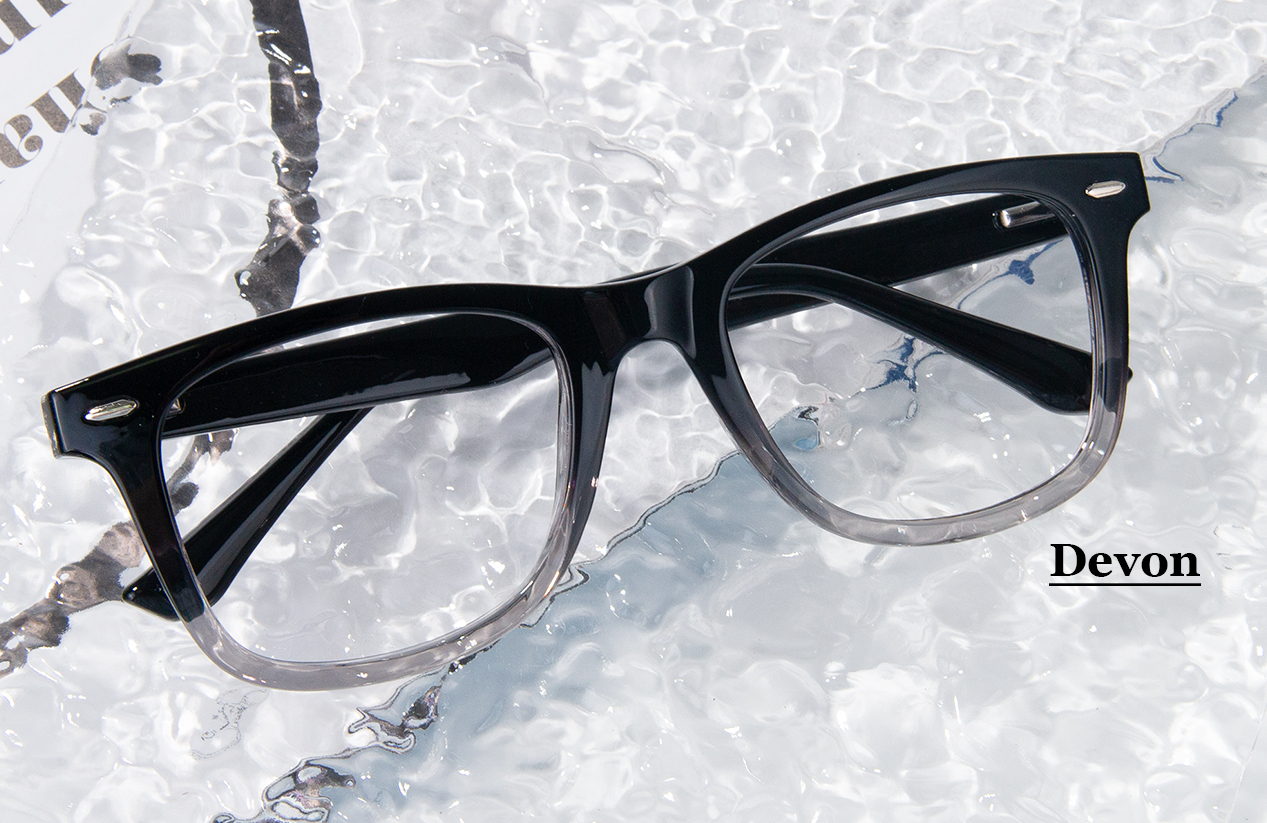
Rectangle glasses have lenses that are wider than they are tall. Their horizontal shape creates a clean, streamlined outline across the face.
The corners may be sharp or softly rounded, depending on the design. Slim rectangle frames often feel simple and professional, while thicker rims can create a stronger and more modern look.
Because they have a moderate lens height, rectangle glasses usually take up less vertical space on the face. This allows the brow, cheeks, and other facial features to remain more visible.
Common features of rectangle glasses include:
A wider horizontal shape
Shorter lens height
Straight or softly rounded corners
A clean and structured outline
A style that works seamlessly with professional and casual outfits
The overall effect depends on the material and color. Thin metal rectangle frames can feel light and minimal. Black, tortoise, clear, or colored rims can make the same shape look classic, relaxed, or more fashion-focused.

What Square Glasses Look Like
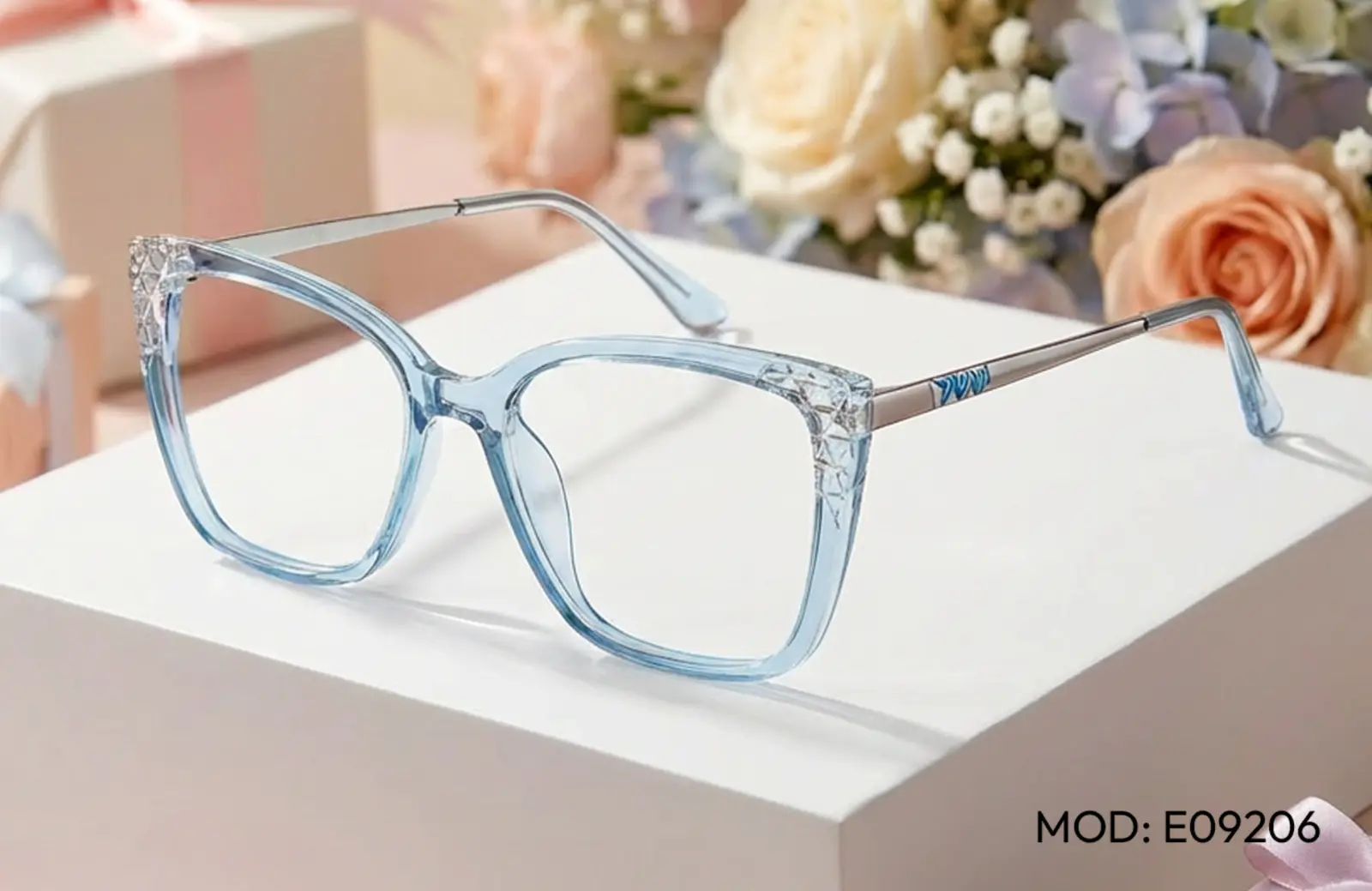
Square glasses have lenses with a more equal balance between width and height. They usually cover more vertical space than rectangle frames and create a fuller outline around the eyes.
A square frame can have sharp corners, rounded corners, or gently curved edges. The phrase spectacles square is often used by shoppers looking for this broad, angular lens shape.
Square glasses tend to create more visual presence because of their taller lenses. Thin rims can keep the frame light, while thicker rims make the square shape more noticeable.
Typical square frame features include:
Taller lenses than rectangle glasses
A broad and balanced outline
Defined upper and lower edges
More visible space around the eyes
A confident style that can range from classic to bold
Square glasses are not limited to one type of look. A slim metal pair can feel polished and modern, while a thick acetate style can add character to a simple outfit. Acetate is a frame material valued for its smooth finish and wide range of colors and patterns.
Rectangle Glasses vs. Square Glasses for Face Shape
Face shape can offer a useful starting point, but it should not be treated as a strict rule. Frame width, lens height, color, hairstyle, and personal style also affect the final result.
The table below shows how rectangle and square glasses may interact with different facial proportions.
Face Shape | Rectangle Glasses | Square Glasses |
|---|---|---|
Round | Add horizontal definition and contrast with soft curves | Add stronger structure and a fuller angular outline |
Oval | Support the face's natural balance with a streamlined shape | Add more presence while maintaining balanced proportions |
Square | Create a clean look, especially with softened corners | Strengthen the angular style or add contrast with rounded edges |
Heart | Balance the upper face when the frame width feels proportionate | Work well when the rim does not feel too heavy at the top |
Long | Keep the look sleek with wider proportions | Add lens height and help create a fuller visual balance |
Diamond | Draw attention across the eye area | Highlight cheekbones with a broader, more defined shape |
Both shapes can work across different face types. The main decision is whether you want a lower, wider frame or a taller shape with more visual presence.
Facial features matter too. Rectangle glasses can emphasize the horizontal line across the eyes, while square glasses can create a larger frame around the entire eye area. People with smaller features may prefer slim rims or moderate sizing. Stronger features can pair well with either thin or more defined glasses frames.
Which Angular Frame Feels Better for Work and Daily Wear?
An angular frame is any frame with visible straight lines, corners, or structured edges. Both rectangle and square glasses belong to this group, but they support slightly different style goals.
Rectangle glasses often feel natural in professional settings because their low, horizontal shape looks clean and focused. They can pair easily with business shirts, blazers, knitwear, uniforms, and minimalist work outfits.
Square glasses can also work well for business wear. A medium-sized square frame in black, brown, gray, clear, or metal tones can look polished while adding more personality around the eyes.
For daily style, the choice depends on how visible you want the frame to be.
Choose rectangle glasses for a streamlined look that works easily with office clothing, casual basics, and simple accessories.
Try square glasses when you want the frame to add more definition or become a clearer part of the outfit.
Select thin rims for a lighter and more understated effect.
Pick thicker rims when you want the frame shape to feel more expressive.
Use neutral colors for easy outfit matching and brighter colors for a more personal style.
Rectangle glasses may suit people who prefer compact and subtle eyewear. Square glasses may appeal to those who enjoy taller lenses or a bolder outline. Neither style is limited to one setting, since rim thickness, material, and color can change how formal or casual the frame feels.
How to Choose the Right Size and Color
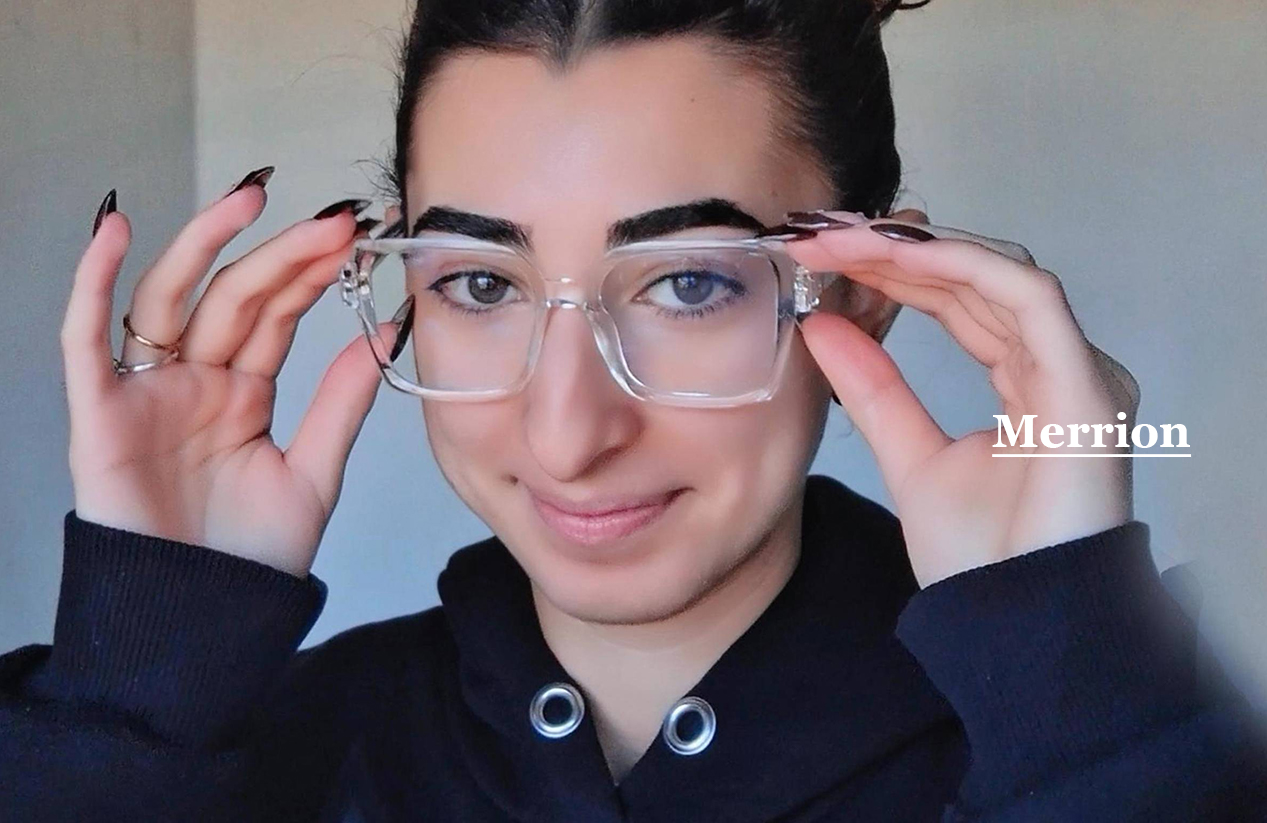
The most flattering angular frame should feel balanced with your face and comfortable during daily wear. Shape is important, but size and color often decide whether the glasses feel natural.
Frame width is the total width across the front of the glasses. It should sit comfortably across the face without looking noticeably narrow or extending much farther than the sides of the head.
Lens height is the vertical measurement of each lens. Rectangle glasses usually have less lens height, while square glasses offer a taller viewing area. This difference can affect both the visual style and how much of the face the frame covers.
Bridge fit describes how the center of the frame rests on the nose. A comfortable bridge helps keep the glasses stable and properly positioned.
When choosing size, consider these points:
Compare the frame measurements with a pair that already fits you well.
Check the total width rather than judging only by lens shape.
Choose a moderate lens height for a more streamlined appearance.
Select taller lenses when you prefer a fuller frame around the eyes.
Make sure the temple arms rest comfortably behind the ears.
Color can soften or strengthen either shape:
Pick black for a defined and classic look.
Choose brown or tortoise for warmth and easy daily styling.
Try clear, beige, or light gray to make angular lines feel softer.
Select metal tones for a clean and minimal finish.
Use blue, green, red, or patterned frames when you want more personality.
A simple way to create balance is to combine one strong feature with one softer feature. A bold square shape can feel more versatile in a neutral color. A slim rectangle frame can feel more expressive in a deeper or brighter shade.
How Frame Shape Affects Prescription Lenses
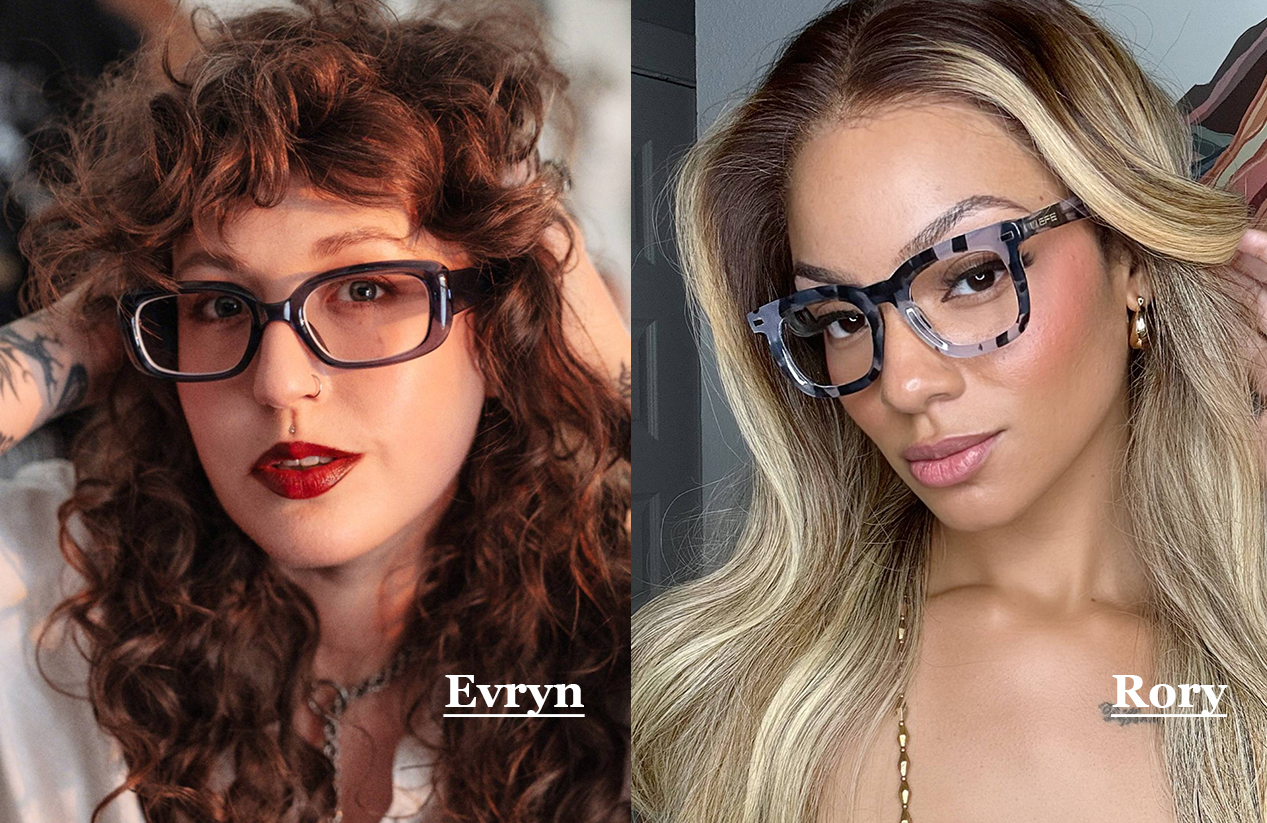
Frame shape can also affect how prescription lenses look in the final pair of glasses. This matters more for people with stronger prescriptions, because lens thickness can be influenced by prescription strength, lens material, lens index, and frame size.
Lens index refers to how efficiently a lens material bends light. Higher-index lenses can help create a slimmer lens profile for certain prescriptions.
Rectangle glasses often have a more compact lens area because the lenses are wider than they are tall. For stronger prescriptions, a smaller or moderate rectangle frame may help reduce visible edge thickness because less lens material is needed.
Square glasses usually have taller lenses and a fuller shape around the eyes. This can create a bolder look, but larger square frames may show more lens edge thickness with stronger prescriptions because the lens area is bigger.
Both rectangle glasses and square glasses can work well with prescription lenses when the frame size and lens option are chosen carefully. If you have a stronger prescription, compare lens width, lens height, frame size, and available lens options before choosing the final frame.
Choose an Angular Frame That Fits Your Style
Rectangle glasses create a wider, streamlined look, while square glasses add height and a stronger visual presence. Compare lens proportions, frame width, color, rim thickness, and prescription lens needs before deciding. Explore both styles across different materials and finishes to find glasses frames that feel comfortable, complement your wardrobe, and support the way you want your eyewear to look each day.
FAQs
Q1. Are rectangle glasses more formal than square glasses?
Not necessarily. Rectangle glasses often have a streamlined professional appearance, but square glasses can look equally polished in a balanced size and neutral color. Rim thickness and material usually influence formality as much as lens shape.
Q2. Can square glasses have rounded corners?
Yes. Square glasses can have gently rounded corners while keeping their broad, balanced proportions. This combination creates a softer interpretation of the square shape and can make the frame easy to style.
Q3. What does the search term "spectacles square" mean?
The phrase "spectacles square" generally refers to spectacles with square-shaped lenses or a broad angular frame. Product descriptions may also use terms such as square eyeglasses, soft square frames, or oversized square glasses.
Q4. How often should I replace rectangle glasses?
There is no fixed schedule based only on frame shape. Consider a new pair when your prescription changes, your fit preferences change, or you want another color or style for different outfits. Regular eye examinations can help keep your prescription current.