Eyeglasses Guides
Oval Glasses vs. Round Glasses: Which Soft Frame Shape Fits Your Face?


Soft curves can make eyewear feel approachable, creative, polished, or quietly vintage. Oval glasses create a wider, more streamlined outline, while round frames place greater focus around the eyes. Both can work beautifully when their width, lens height, and rim thickness match your features. Comparing these details can help you choose a frame that fits your face and the style you want to express.
What Oval Glasses and Round Glasses Look Like
Oval and round frames both use curved lines, but their proportions create different visual effects.
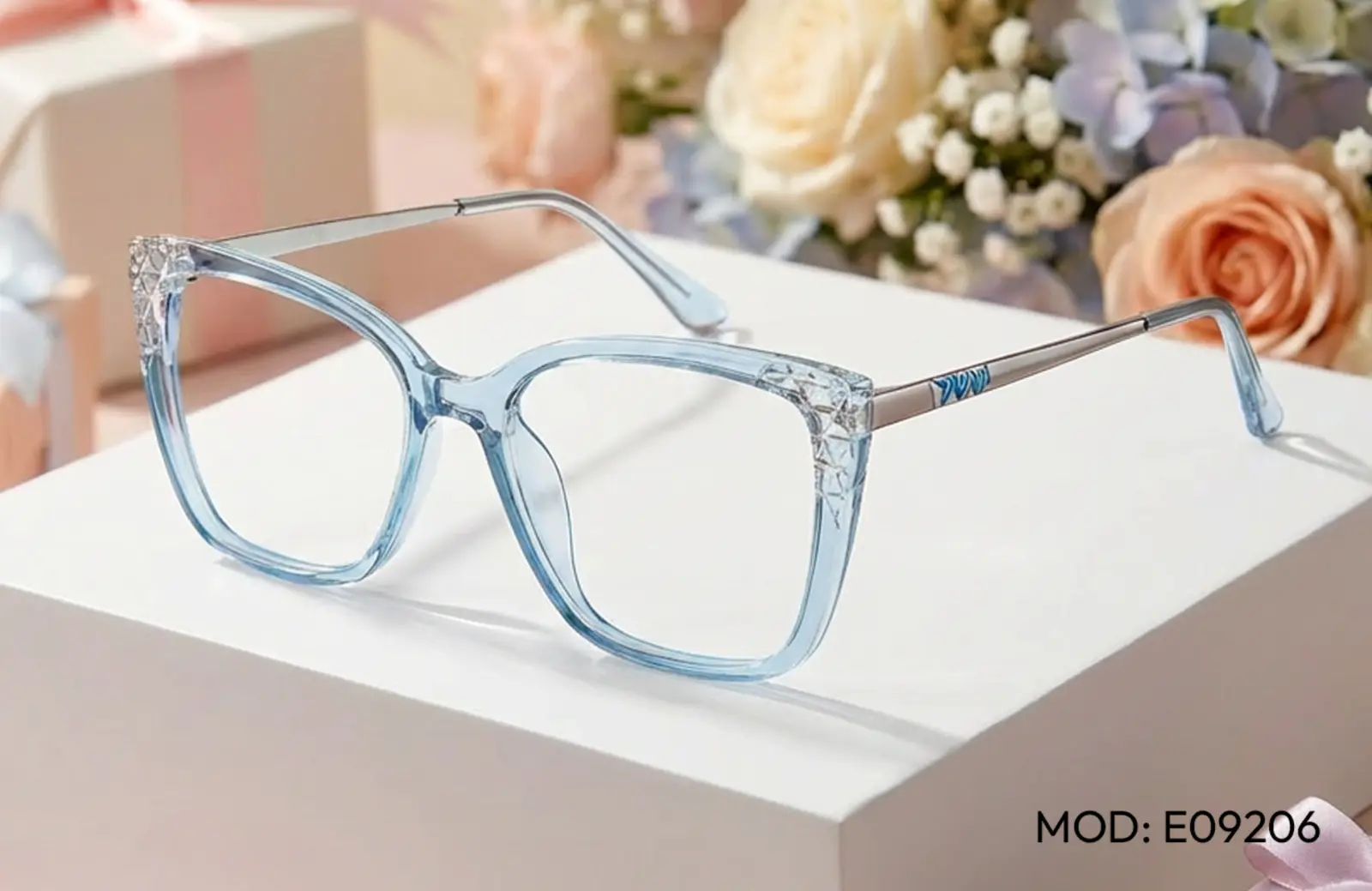
Oval glasses have lenses that are wider than they are tall. Their stretched shape follows a gentle horizontal line across the face, creating a soft yet streamlined appearance. Some oval frames are narrow and subtle, while others have taller lenses and a fuller vintage-inspired look.
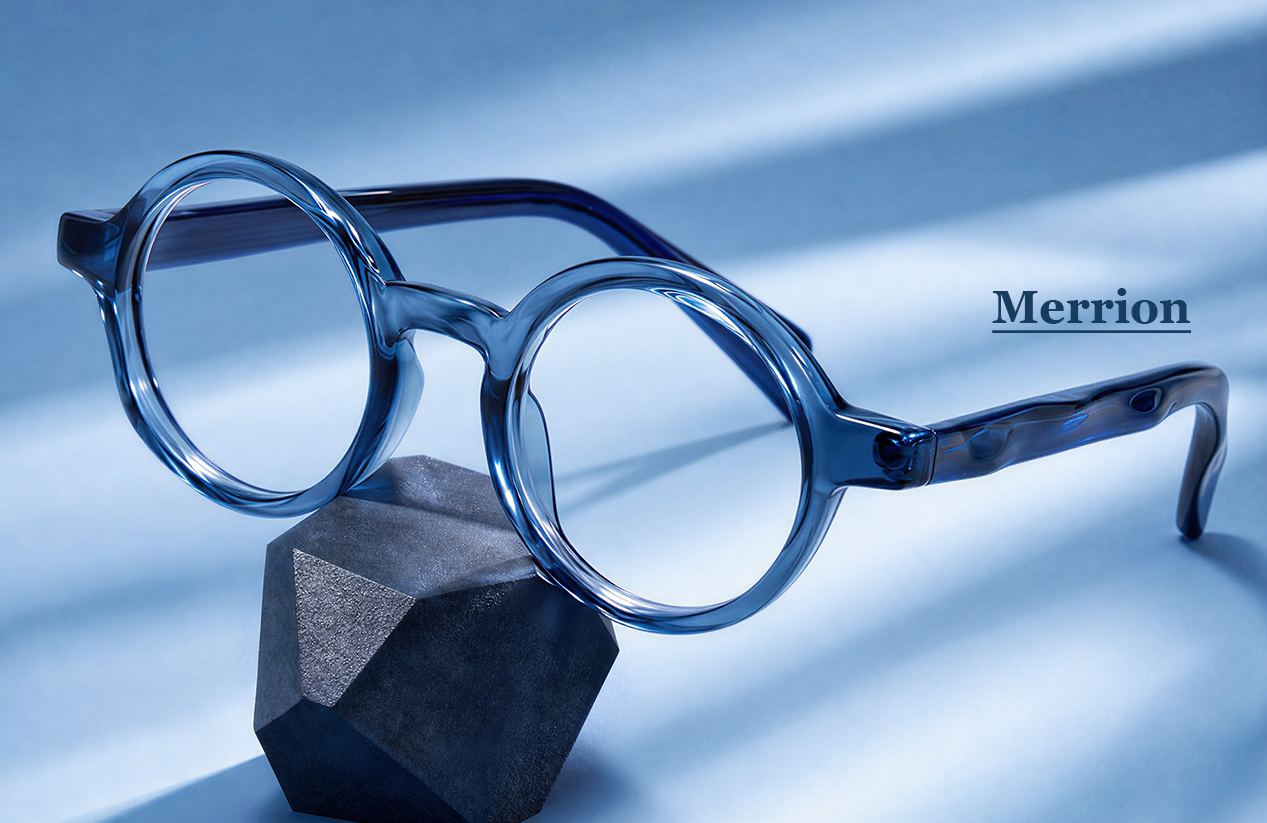
Round glasses have lenses with a more equal balance of width and height. They may form a nearly perfect circle or use slightly softened curves. Because the shape surrounds the eyes more evenly, round eyeglasses usually have a more noticeable and expressive presence.
The main differences are easy to summarize:
Choose oval glasses for a wider, softer shape that feels refined and easy to style.
Choose round glasses for a more circular outline that adds creativity and visual focus.
Pick thin rims when you want either shape to feel light and minimal.
Select thicker rims when you want the frame shape to become a stronger part of your look.
Color also changes the effect. Clear, beige, light metal, and soft brown frames make curved shapes feel delicate. Black, tortoise, deep red, or dark green frames add greater definition.
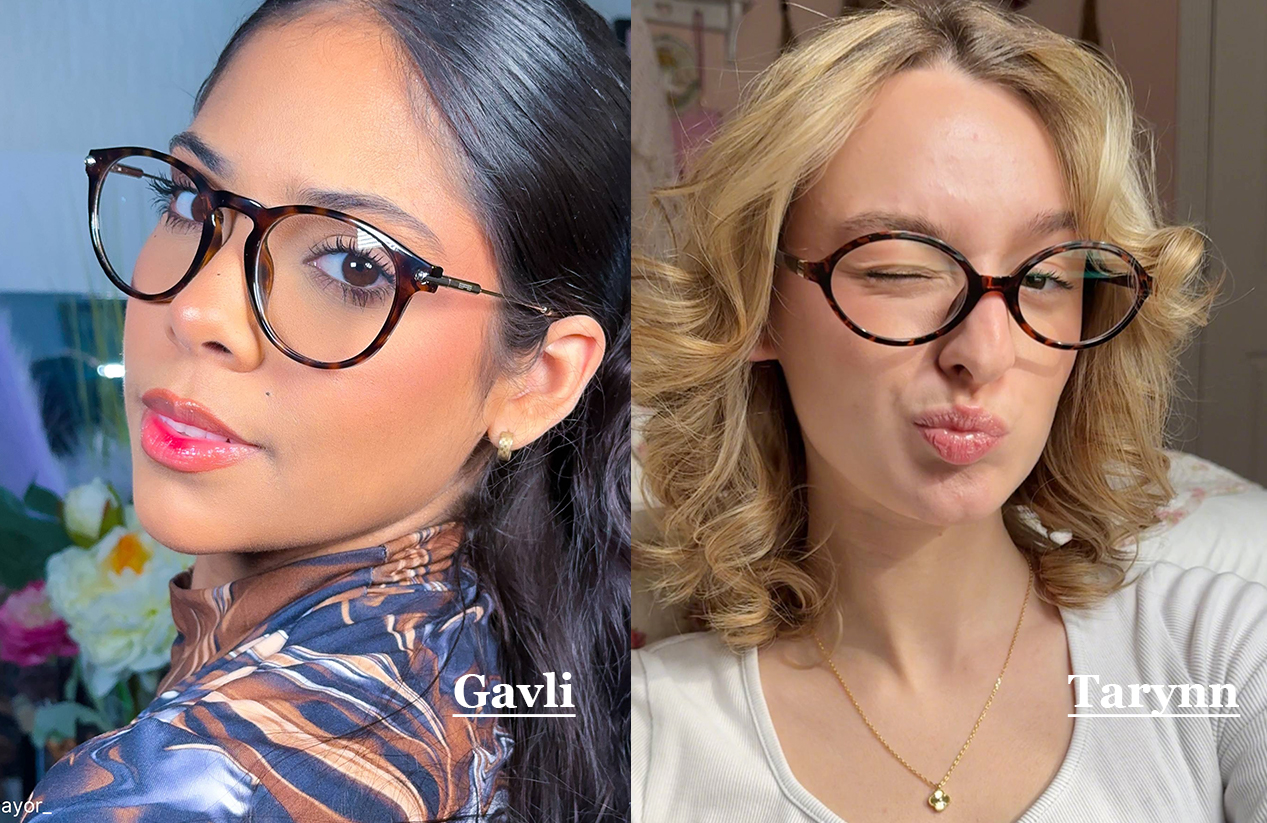
Oval Glasses vs. Round Glasses for Different Face Shapes
Face shape refers to the general outline and proportions of the face. Common categories include round, oval, square, heart, diamond, and long. Matching frames and face shapes can offer useful direction, but these ideas are starting points rather than fixed fashion rules.
The table below shows how each soft frame shape may interact with different facial proportions.
Face Shape | Oval Glasses | Round Glasses |
|---|---|---|
Round | Add soft curves without creating a fully circular outline | Create a coordinated curved look, especially in a balanced width |
Oval | Follow the face's natural proportions | Add more focus around the eyes |
Square | Soften a broad forehead and defined jawline | Create clear contrast with angular features |
Heart | Balance the upper and lower face with gentle width | Work well when the frame width feels proportionate |
Diamond | Complement defined cheekbones with smooth curves | Draw attention toward the center of the face |
Long | Add horizontal width through an oval shape | Create visual fullness with taller lenses |
Both styles can suit many face shapes. The better choice depends on whether you want the frame to follow your facial lines or create contrast with them.
Oval glasses often work well when you want softness without a strongly circular appearance. Their horizontal proportions can balance facial length and create a calm, polished effect.
Round eyeglasses create more contrast on faces with defined angles. On softer faces, they can support a coordinated look when the frame width and rim thickness remain balanced with the wearer's features.
Personal details matter too. Hairstyle, eyebrows, cheekbones, frame color, and wardrobe can all change how the same pair looks. Try using face shape as an initial reference, then focus on fit and personal style.
How Soft Frame Shapes Change Your Overall Style
Curved frames can influence the mood of an outfit even when their color is simple. Oval and round glasses both soften facial lines, but they often communicate different style directions.
Oval glasses usually feel refined, understated, and versatile. A slim oval frame can pair naturally with office clothing, minimalist outfits, soft knitwear, or tailored basics. Thicker oval rims can create a stronger vintage or fashion-focused effect.
Round glasses often feel creative, expressive, or retro-inspired. Retro-inspired means influenced by earlier styles without copying them exactly. They are also common in contemporary minimalist collections, especially when paired with thin metal rims. Thin round metal frames can feel clean and modern, while thicker round frames add more personality to casual clothing.
Consider the impression you want your eyewear to create:
Wear slim oval glasses for a polished style that moves easily between work and casual settings.
Pair thicker oval frames with simple clothing when you want the curved shape to stand out.
Choose thin round glasses for a light, creative, or minimalist look.
Try bold round eyeglasses when you want your eyewear to become a key accessory.
Use clear or neutral colors to make either shape easy to coordinate with different outfits.
Select deeper colors or patterns when you want more definition and personality.
Oval glasses may be easier to blend into a professional wardrobe because their shape feels streamlined. Round glasses can also work for business settings when the size, rim, and color look clean and balanced.
For casual style, both shapes offer plenty of flexibility. Oval frames can complement relaxed shirts, denim, sweaters, and dresses. Round frames can add a distinct detail to plain tops, simple jackets, or creative weekend outfits.
The best frame should support your style rather than compete with it. A person with a bold wardrobe may enjoy subtle eyewear, while someone who wears simple clothing may prefer a more noticeable frame.
How to Choose the Right Frame Size
Frame shape attracts attention first, but size determines how balanced the glasses look and how comfortably they sit.
Frame width is the full width across the front of the glasses. It should feel proportionate to your face and rest naturally without looking unusually narrow or wide.
Lens height is the vertical measurement of each lens. Round glasses often have more lens height than narrow oval glasses, which gives them a fuller appearance around the eyes.
Bridge fit describes how the center of the frame sits on the nose. A well-fitting bridge helps the glasses remain stable and comfortable. Temple arms are the side pieces that extend behind the ears. They should rest securely without creating unnecessary pressure.
Use these checks when comparing sizes:
Compare the measurements with glasses that already fit you comfortably.
Check total frame width rather than judging the lens shape alone.
Choose narrow or medium oval glasses for a more streamlined effect.
Select wider oval frames when you want more horizontal presence.
Pick moderate round frames for a balanced everyday look.
Try larger round glasses when you prefer a fuller, more expressive style.
Frame placement is another useful detail. The eyes should appear naturally positioned within the lenses, and the frame should sit comfortably around the brow and cheek area.
Very compact frames create a delicate, focused appearance, while larger frames produce a more noticeable style. Neither option is automatically better. The right scale depends on your facial proportions and the amount of visual impact you prefer.
Rim thickness should also match the size. A large frame with thin rims can still feel light, while a smaller frame with thick rims can make a clear style statement. Balancing these two details helps oval glasses and round glasses feel intentional.
Color can provide one final adjustment. If the shape and size already feel bold, a clear or neutral color can soften the overall look. If the frame is slim and understated, a deeper color can add personality without changing its proportions.

Find the Soft Frame Shape That Fits Your Style
Oval glasses offer a wider, streamlined look, while round glasses create a fuller outline around the eyes. Compare frame width, lens height, rim thickness, color, and comfort before choosing. Explore both shapes in subtle and expressive designs to find eyewear that complements your features, wardrobe, and daily routine.
FAQs
Q1. Are oval glasses considered vintage?
Oval glasses can have a vintage influence, especially when they use narrow lenses, metal rims, or classic colors. Modern oval frames are also available in clear finishes, brighter colors, and updated proportions, so the shape can suit both retro and contemporary styles.
Q2. Can round eyeglasses look minimalist?
Yes. Thin rims, neutral colors, and balanced sizing can make round eyeglasses feel clean and minimal. Silver, gold, black, and clear finishes often work well with simple wardrobes.
Q3. Should oval glasses follow the shape of my eyebrows?
Many opticians suggest that the top rim generally follows the natural brow line, but exact alignment is not required. A frame that sits naturally below the brow and feels balanced with your features can still create a polished look. The final position depends on bridge design, frame size, and personal comfort.
Q4. Can I wear both oval and round glasses?
Yes. The two shapes can support different outfits and style goals. Oval glasses may serve as a versatile everyday pair, while round glasses can provide a more expressive option, although either shape can fill either role.