
Glasses Lenses
Lens types are designed for different vision needs. Single vision corrects one distance, progressive provides a smooth transition across all ranges, bifocal separates near and far vision, and readers are ideal for close-up tasks. Lens index refers to how thin and light your lenses are—higher indexes are thinner and often used for stronger prescriptions, while lower prescriptions can work well with standard index lenses for a more balanced option.

Single Vision Lenses
Lenses with a single prescription power across the entire lens, used for either near or distance vision correction.
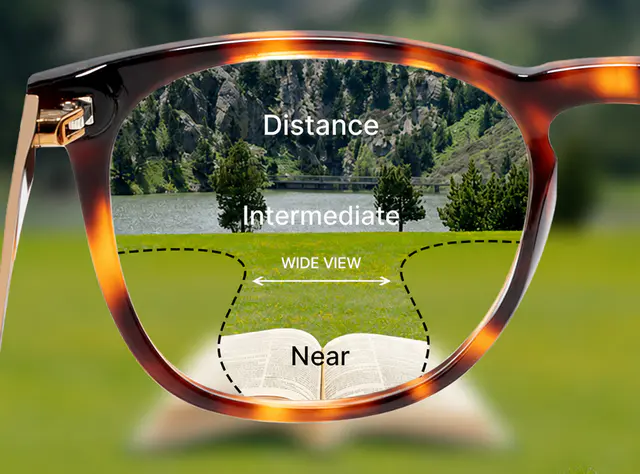
Progressive Lenses
Lenses that provide a smooth transition between near, intermediate, and distance vision without visible lines, ideal for presbyopia.
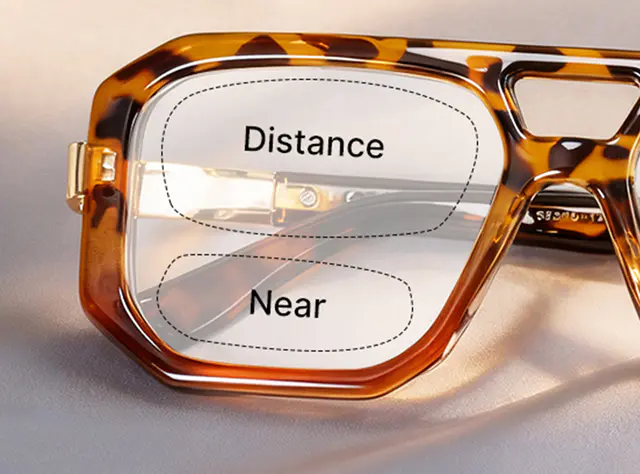
Bifocal Lenses
Lenses with two distinct optical zones: one for distance vision and one for near vision, separated by a visible line.
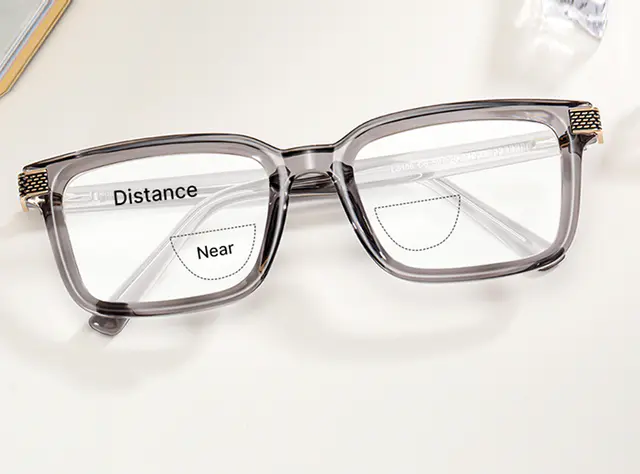
Reading Lenses
Lenses designed specifically for close-up tasks like reading, sewing, or using smartphones, typically used for presbyopia.

Blue Light Blocking Lenses
Glasses with lenses designed to filter out harmful blue light from screens like phones, computers, and TVs, helping reduce eye strain and improve sleep quality.
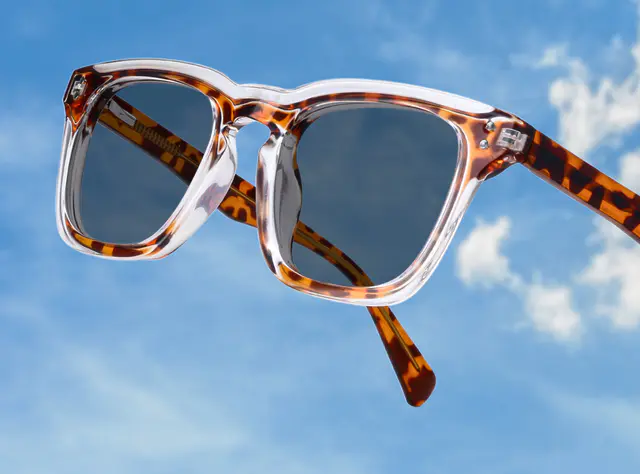
Photochromic Lenses
Lenses that automatically adjust tint based on sunlight exposure—clear indoors and darken outdoors for UV protection and comfort.

Polarized Lenses
Lenses that reduce glare from reflective surfaces like water, roads, and glass, improving visual clarity and contrast, especially for outdoor use.
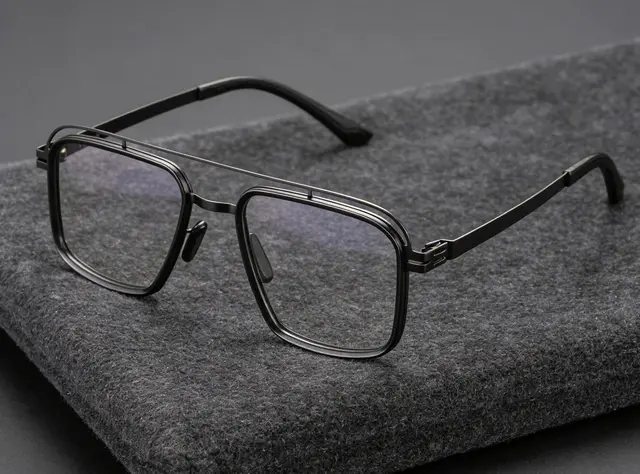
High Index Lenses
Thin and lightweight lenses are designed for stronger prescriptions, reducing thickness and weight while maintaining optical clarity.